Top 10 Yuchai Generator Set Manufacturers Worldwide
The global generator-set industry is changing under pressure from data centers, hospitals, factories, and unstable power grids. Grand View Research estimates that the global genset market was worth more than USD 20 billion in 2023. Its outlook also indicates steady growth through 2030, supported by infrastructure investment and backup-power demand. The International Energy Agency’s Electricity 2024 report expects data-center electricity consumption to more than double by 2026. Reliable standby generation is becoming less optional.
This guide examines the Top 10 Yuchai Generator Set Manufacturers Worldwide through a practical industry lens. It considers engine performance, alternator matching, load response, fuel efficiency, emissions compliance, factory testing, warranty support, and regional service coverage. A manufacturer may look strong on a specification sheet, yet perform differently in a dusty construction site or a humid coastal facility. Field experience matters. So does after-sales response.
Yuchai Generator Set products are evaluated here within their real operating context, not through brand visibility alone. Manufacturer websites, published technical documents, and recognized market studies provide the foundation for comparison. However, public data is not perfectly consistent. Report definitions, testing conditions, and regional standards can vary. That limitation matters. No ranking is flawless.
Readers should verify rated power, prime and standby duty, voltage stability, noise levels, fuel consumption, and local certification before purchasing. The best supplier is not always the largest one. It is often the partner that can deliver tested equipment, genuine parts, trained technicians, and clear documentation when the lights go out. In practical terms, reliability is proven under load.
Yuchai Generator Set Industry Overview and Global Market Scope
Yuchai Generator Set Industry Overview and Global Market Scope
The global generator-set industry is expanding through data centers, hospitals, factories, and unstable grids. The International Energy Agency reported that data centers consumed about 415 TWh of electricity in 2024. It expects demand to approach 945 TWh by 2030. This growth increases the need for dependable standby generation. Market estimates differ, however. Grand View Research places the global diesel generator market above USD 20 billion in 2023, with strong growth through 2030. These figures are useful, but not perfectly comparable. Definitions and regional coverage vary.
Asia-Pacific remains a major production and consumption center. Africa, the Middle East, and Southeast Asia offer further opportunities because grid reliability remains uneven. Buyers increasingly examine fuel efficiency, emissions performance, remote monitoring, and service response time. Field experience shows that a low purchase price can hide expensive maintenance. The quietest model is not always the best choice. Site altitude, humidity, load variation, and spare-parts access can change actual performance.
Tips: Compare at least three technical datasheets. Check standby and prime ratings separately. Request verified fuel-consumption data at 25%, 50%, and 75% load. Ask for service coverage near the installation site. A practical inspection matters more than impressive brochures. Also review local emissions rules before ordering, because compliance requirements can affect delivery schedules and operating costs.
Criteria for Ranking the Top Yuchai Generator Set Manufacturers
Ranking leading generator set manufacturers requires more than comparing advertised power ratings. The first measure is proven field experience with the relevant diesel engine platform. Manufacturers should provide installation records, test reports, and clear production dates. A reliable supplier can explain how its control system, alternator, cooling package, and engine communicate under changing loads. Vague answers matter.
Technical capability deserves equal weight. We examine rated and standby output, fuel consumption, voltage stability, noise control, and performance at high temperatures. Factory testing should include a documented load-bank test, not only a no-load startup. Certification records must be current and traceable. Independent inspection adds credibility when projects involve hospitals, factories, or remote worksites.
After-sales support often separates strong manufacturers from average ones. Ranking should consider spare-parts availability, technician response time, warranty terms, and training quality. A five-year parts plan may be more valuable than a small purchase discount. Site visits can reveal workshop organization, calibration practices, and storage conditions. Still, no ranking is perfect. Customer reviews may be selective, while test conditions can differ from real operation. We therefore compare evidence from several sources and record unanswered questions. Shortcuts create weak rankings.
Profiles of the Top 10 Yuchai Generator Set Manufacturers Worldwide
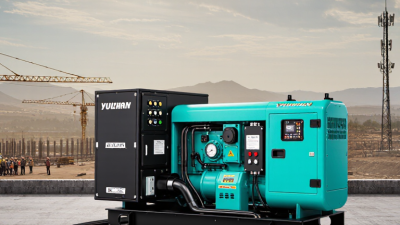
The leading ten Yuchai generator set manufacturers differ in scale, engineering depth, and service reach. One coastal OEM focuses on containerized units for ports and construction sites. Its technicians test vibration, exhaust temperature, and load response before shipment. Another manufacturer serves hospitals and data centers, where automatic transfer systems must react within seconds.
A third supplier specializes in agricultural power, offering compact sets with simple control panels. This design helps rural operators repair equipment without advanced diagnostic tools. A fourth producer builds high-capacity units for factories and mining projects. Its profile includes reinforced frames, larger fuel tanks, and documented endurance testing. Another company emphasizes rental fleets, using sound-attenuated enclosures and forklift pockets for frequent relocation.
Regional experts also shape the top ten. A Southeast Asian manufacturer adapts cooling systems for hot, humid climates. A Middle Eastern supplier adds dust-resistant filters and oversized radiators. A European integrator prioritizes low-noise operation and detailed compliance records. An African distributor combines standard generator sets with local spare-parts storage. A Latin American producer supports remote sites through mobile technicians and bilingual manuals.
Performance figures need careful checking. Advertised standby power may not equal continuous output. Some service promises sound impressive but lack measurable response times. Buyers should inspect factory test reports, warranty terms, controller compatibility, and technician qualifications. Field experience shows that installation quality often decides reliability. Even a well-built generator can fail when ventilation, grounding, or fuel cleanliness is ignored.
Global Distribution, Service Networks, and Buyer Considerations
A top-ten comparison of generator-set manufacturers should examine more than factory output.
Distribution determines how quickly a buyer receives filters, controllers, and replacement parts. The World Bank’s 2023 Logistics Performance Index covered 139 economies and highlighted major differences in customs speed, infrastructure, and delivery reliability. Those gaps directly affect project schedules.
Service coverage matters even more after installation. The International Energy Agency’s Electricity 2024 report expects data-centre electricity demand to reach about 1,000 TWh by 2026, driven partly by artificial intelligence. Hospitals, factories, and data centres therefore need dependable standby systems and trained local technicians. Buyers should verify 24-hour support, response targets, remote monitoring, and documented load-bank testing.
A glossy brochure is not enough.
Field experience suggests that regional assembly hubs can shorten repairs, but they may also limit component choice. Ask for parts availability in your country, not only in the export warehouse. Compare fuel consumption at 50%, 75%, and 100% load. Check altitude derating, ambient-temperature limits, emissions compliance, and warranty exclusions.
A manufacturer with fewer distributors may still perform well when its technicians are competent and measurable.
Rankings can mislead. I would also inspect two operating installations before signing, because published performance data rarely shows the difficult maintenance call at 3 a.m.