Why Choose a Yuchai Generator Set for Global Projects?
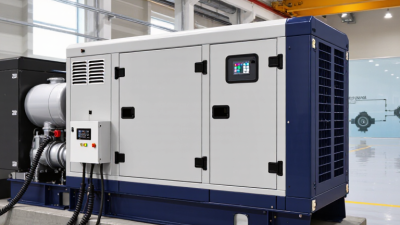
Global infrastructure projects demand power that remains dependable beyond controlled factory conditions. Weather changes, remote locations, unstable fuel supply, and limited maintenance access can challenge any equipment. Choosing the right generator therefore requires more than comparing rated output or purchase price. A Yuchai Generator Set can attract project managers through its practical engine design, broad power range, and suitability for construction, mining, telecommunications, and emergency applications. Its value becomes clearer when technical decisions match real site conditions. A 500 kVA unit, for example, must handle cranes, pumps, lighting, and sensitive control systems without excessive voltage fluctuation. Stable frequency matters.
Field experience also shows that daily usability affects long-term reliability. Operators need readable controls, accessible filters, strong cooling performance, and clear maintenance procedures. These details save time beside a dusty worksite or a temporary hospital. However, no generator fits every project perfectly. Fuel quality, ambient temperature, altitude, emissions rules, and local service coverage can change the result. That limitation deserves honest attention.
Before deployment, engineers should confirm load calculations, starting currents, enclosure requirements, and expected operating hours. They should verify available spare parts and technician support in the destination country. Independent commissioning tests can reveal overload risks that brochures rarely explain. Documentation should include wiring diagrams, service intervals, safety procedures, and warranty conditions. A careful selection process makes the Yuchai Generator Set a more credible option for global projects. It is not a promise of effortless ownership. Rather, it is a foundation that performs best with proper planning, skilled operation, and continuous inspection. This article examines the practical reasons behind that choice, while recognizing its trade-offs.
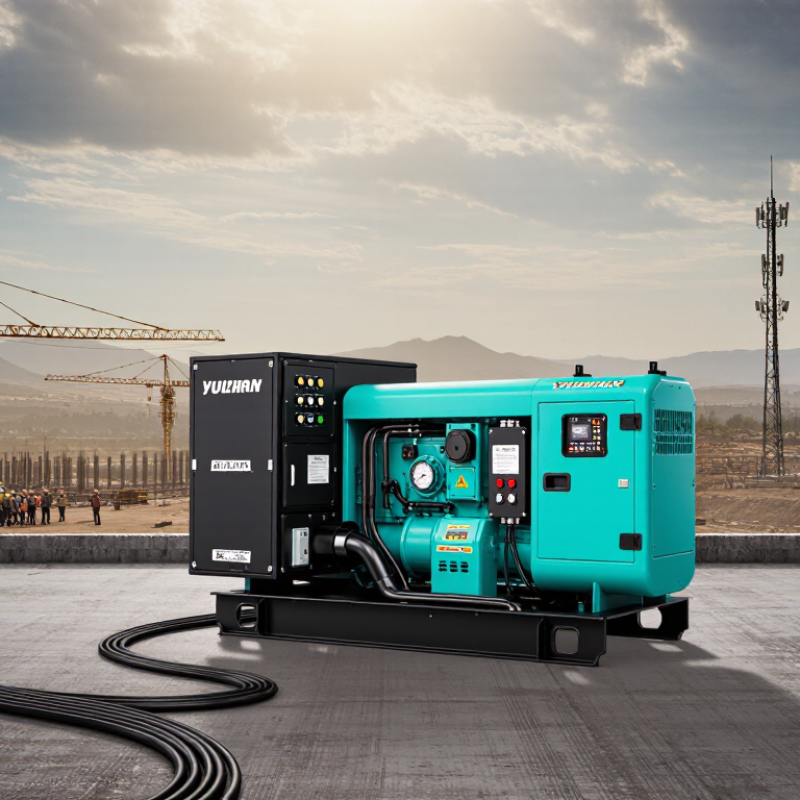
Yuchai Generator Sets: Brand Background and Global Market Role
Rooted in China’s diesel-engine manufacturing sector, this generator-set producer has developed from a domestic equipment maker into an international power supplier. Its growth reflects practical demand from construction sites, factories, hospitals, and remote infrastructure projects. The company’s market role is not limited to selling engines. It supports complete power systems, including alternators, control panels, sound-attenuated enclosures, and service programs.
Field experience shows why this background matters. A generator may operate beside a dusty road, inside a humid plant, or under strict noise limits. Stable output, clear maintenance access, and dependable starting performance become essential. Local technicians also need readable manuals and available replacement parts. These details often decide whether a project stays on schedule.
The manufacturer’s global position depends on more than production volume. It requires testing, traceable quality procedures, regional partners, and compliance with local electrical and emissions requirements. Buyers should verify these points for each project. No supplier performs perfectly in every market. Response times can vary, and service coverage may be uneven in isolated regions. That weakness deserves honest review before purchase. Still, a broad export network and experience across different operating conditions can reduce technical uncertainty for international contractors. Teams comparing generator sets should inspect load data, climate conditions, fuel quality, and after-sales support before making a decision.
Why Choose a Generator Set for Global Projects?
Electricity access varies significantly across regions. In 2022, Sub-Saharan Africa had the largest access gap, while most other regions had achieved near-universal access. Generator sets can support temporary power, backup electricity, construction sites, remote facilities, and areas where grid reliability or availability remains limited. Data source: World Bank, Global Electrification Database, 2022.
Core Technologies Behind Yuchai Generator Set Performance
Why Choose a Yuchai Generator Set for Global Projects?
Reliable generator performance begins with core engineering, not only rated output. The IEA Electricity 2024 report projects global electricity demand will grow by about 3.4% annually through 2026. That pressure makes stable backup power increasingly important at hospitals, factories, ports, and remote construction sites.
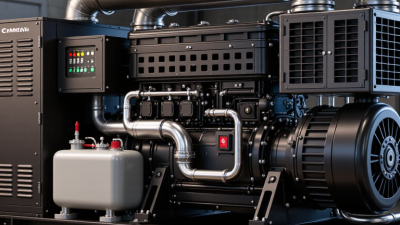
Engine control systems must respond quickly when loads change. Electronic fuel injection helps maintain speed and reduce combustion waste. A strong cooling system protects performance in high temperatures and dusty environments. Alternators with precise voltage regulation support sensitive equipment, including control panels and medical devices. ISO 8528-5 provides recognized performance classes for generator sets, helping engineers compare transient response, frequency control, and load acceptance.
Details matter. During commissioning, technicians should check cable sizing, exhaust back pressure, battery capacity, and automatic transfer settings. A generator can pass a factory test yet struggle after installation. That is an uncomfortable reality. Field conditions are rarely perfect.
Remote monitoring adds practical value. Operators can track oil pressure, coolant temperature, running hours, and fault codes before a minor issue becomes downtime. The Uptime Institute’s Global Data Center Survey consistently identifies human error and infrastructure failures as major outage contributors. Clear alarms and disciplined maintenance reduce that risk, although they cannot replace trained technicians or realistic load-bank testing.
Power Ratings, Fuel Options, and Applications for Global Projects
Why Choose a Yuchai Generator Set for Global Projects?
Power ratings, fuel options, and site conditions determine whether a generator performs reliably overseas. A practical selection starts with the real load, not the largest available model. Prime power suits changing loads and long operating hours. Standby ratings support emergency use. Continuous ratings fit stable, round-the-clock demand. A 500 kVA generator may seem sufficient, but motors, pumps, and future expansion can quickly reduce its margin.
Fuel choice also affects logistics, emissions planning, and maintenance. Diesel remains practical for remote construction sites because storage and refueling systems are widely available. Natural gas can suit hospitals, factories, and urban projects with stable pipeline access. Dual-fuel systems provide flexibility, but they require careful controls and trained technicians. Field experience shows that fuel quality is often underestimated. Contaminated diesel can damage filters, injectors, and engine performance.
Tips:
Confirm altitude, temperature, humidity, and load type before ordering. Check fuel availability near the project site. Allow starting-current headroom for compressors and pumps. Review service access, spare parts, and monitoring systems with the local team. Small details matter. A thoughtful load study prevents costly oversizing, yet some project plans still rely on rough estimates. That approach saves time early, but creates problems during commissioning.
Service Networks, Maintenance Support, and Total Project Value
For global projects, a generator set earns its value after commissioning.
Service coverage matters as much as rated power. The International Energy Agency’s Electricity 2024 report projects data-centre electricity demand could more than double by 2026. That growth raises the cost of every unexpected shutdown. A capable supplier should provide regional technicians, multilingual documentation, and clear escalation routes. Remote diagnostics can identify abnormal temperature, oil pressure, or battery voltage before a site visit.
Maintenance support should be practical, not promotional.
A project team needs scheduled service intervals, genuine replacement parts, and local stock for filters, belts, sensors, and control modules. The Uptime Institute’s 2023 Global Data Center Survey reported that 25% of respondents with serious outages estimated losses above one million dollars.
This figure explains why response time belongs in the project budget. It should be measured in hours, not promises. Keep records. Every service action should show engine hours, test loads, findings, and corrective work.
Total project value also includes fuel efficiency, training, warranty clarity, and resale potential.
Field experience shows that small installation details can become expensive later. Cable access may be awkward. Spare parts may face customs delays. A technically strong set can still underperform without local preparation. No service network is flawless. Buyers should challenge coverage maps, request response-time evidence, and verify technician qualifications before signing. Independent load-bank testing and documented acceptance procedures add confidence, although they increase early costs. That trade-off deserves honest review.