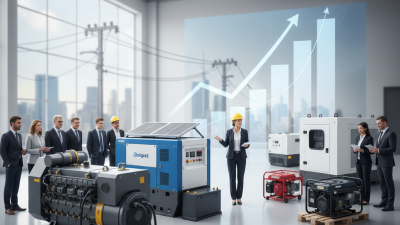
What Are the Top Diesel Generator Set Types in 2026?
In 2026, choosing a Diesel Generator Set is less about chasing the largest engine and more about matching its duty to the site. A hospital needs dependable standby power. A remote worksite may need a prime-rated unit running for long hours. A data center has different demands again: fast response, stable output, and carefully planned maintenance. The label matters. So does the load behind it.
Diesel-engine pioneer Rudolf Diesel is often credited with this observation: “The use of vegetable oils for engine fuels may seem insignificant today. But such oils may become in course of time as important as petroleum.” His words concern fuel, not generator categories, but they offer a useful reminder: technology and operating needs change. Buyers should still verify today’s fuel specifications and manufacturer guidance rather than treating a historical quotation as technical advice.
This guide compares common generator set types, including standby, prime, and continuous-duty models, alongside portable and containerized configurations. Each serves a different operating pattern. A compact portable set may suit temporary tools; a containerized unit can simplify deployment at a larger site. Neither is automatically the better choice. Check the actual load profile, starting currents, runtime, noise limits, service access, and local climate. Small details count. A neglected maintenance interval can matter more than a headline power rating. And ratings are easy to misunderstand; even experienced buyers should confirm the definitions with the manufacturer. The best type is the one that reliably fits the job, not the one with the most impressive specification sheet.
Standby Diesel Generator Sets for Emergency Backup
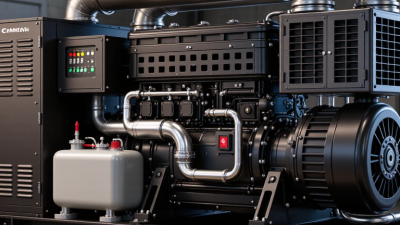
Standby diesel generator sets protect essential loads when utility power fails. In 2026, common configurations include open-frame units for dedicated plant rooms and weatherproof, sound-attenuated enclosures for outdoor sites. The right choice depends on the load, location, required runtime, and ventilation—not simply the largest available rating. A set serving a clinic, for example, must support selected critical circuits while allowing safe exhaust discharge and access for maintenance.
Uptime Institute’s 2024 Annual Outage Analysis found that 54% of surveyed organizations’ most recent significant outages cost more than US$100,000; 16% exceeded US$1 million. That makes reliable transfer and testing practical priorities. Specify an automatic transfer switch, verify starting performance, and calculate fuel needs against the expected outage duration. Keep the basics visible. A blocked radiator or stale fuel can undermine a carefully sized system. Exercise the generator under load and record alarms, battery condition, coolant temperature, and transfer time. The report describes outage costs across surveyed organizations, not diesel-generator performance specifically. That distinction matters. Plans should reflect the site’s measured critical load and operating conditions, then be reviewed when equipment or occupancy changes.
Top Standby Diesel Generator Set Types in 2026
Typical capacity ranges by application
Residential, commercial, industrial, and data-center standby sets cover different backup-power needs. The ranges are indicative market examples, not fixed limits; the appropriate generator size depends on the loads, starting requirements, and site conditions.
Prime Power Diesel Generator Sets for Variable Loads
What Are the Top Diesel Generator Set Types in 2026?
Prime Power Diesel Generator Sets for Variable Loads
Prime power diesel generator sets suit sites that need electricity for long periods, with demand that rises and falls. ISO 8528-1 distinguishes prime power from standby ratings and defines it for variable-load operation. The right choice depends on the actual load profile, not just the largest equipment nameplate. That detail matters.
A quarry might run conveyors steadily, then add a crusher or water pump that draws a sharp surge. A set sized only for average demand may struggle during those starts. Record hourly loads, motor-starting requirements, and seasonal changes before selecting capacity. Where loads vary widely, multiple units can help match output to demand, though controls and maintenance become more involved.
There is no effortless fix. Prolonged operation at very light load can contribute to deposits and reduced performance; check the engine’s specified minimum loading and maintenance guidance. The International Energy Agency’s Electricity 2024 report forecast global electricity demand growth averaging 3.4% annually from 2024 to 2026. That figure is not a generator-sizing rule, but it reinforces the need to plan for changing demand. A load test under realistic conditions is more useful than guessing from a single peak reading.
Continuous-Duty Diesel Generator Sets for Steady Loads
Continuous-duty diesel generator sets are designed for sustained, relatively constant loads, not occasional emergency operation.
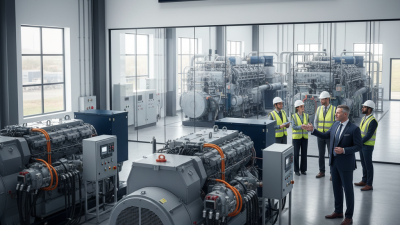
Under ISO 8528-1, the continuous power rating applies to unlimited operating hours at constant load, subject to the stated conditions. That makes the rating a practical starting point for mines, remote facilities, and industrial sites without reliable grid supply.
The load still needs careful measurement. Pumps may start together, while heaters and compressors cycle; those brief changes can challenge a set sized only for average demand. Check peak starting requirements, site temperature, altitude, cooling capacity, and fuel logistics.
A fuel filter, radiator, and maintenance interval matter every day. IEA’s Electricity 2024 report estimated data-centre electricity use at 460 TWh in 2022 and projected 620–1,050 TWh by 2026, illustrating the scale of growing, sustained power needs. That forecast is not a generator-sizing guide.
A perfect steady load rarely exists, so real operating records are more useful than a neat spreadsheet assumption.
Portable and Trailer-Mounted Diesel Generator Sets
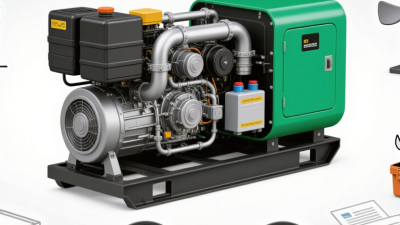
Portable diesel generator sets are useful where power needs move between jobs, such as road repairs, farms, and temporary workshops. Their compact frames and lifting points make repositioning easier, but “portable” does not mean light. Check the unit’s operating weight, access width, and required output before delivery. A set running a pump and several tools may need more capacity than their nameplate figures suggest, especially during motor startup. Keep it level, allow airflow, and protect cables from vehicle routes. Small details matter.
Trailer-mounted sets suit longer deployments or heavier loads. The trailer allows towing between sites, while the generator can remain close to work areas without repeated lifting. Confirm the tow vehicle’s capacity, tire condition, braking system, and site access; soft ground can turn a short move into a recovery job. Not glamorous. At setup, use stabilizers and have electrical connections checked by a qualified technician. Track fuel use at the actual load, since consumption changes with demand, and inspect oil, filters, and coolant on schedule. Weather covers help, but they must not block ventilation. In practice, choosing between these types is less about maximum power alone and more about how often the set moves.
Containerized Diesel Generator Sets for Demanding Environments
What Are the Top Diesel Generator Set Types in 2026?
Containerized Diesel Generator Sets for Demanding Environments
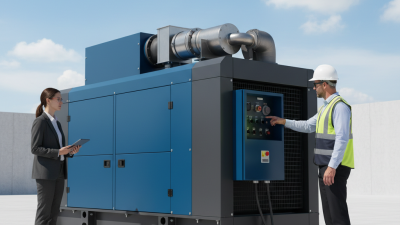
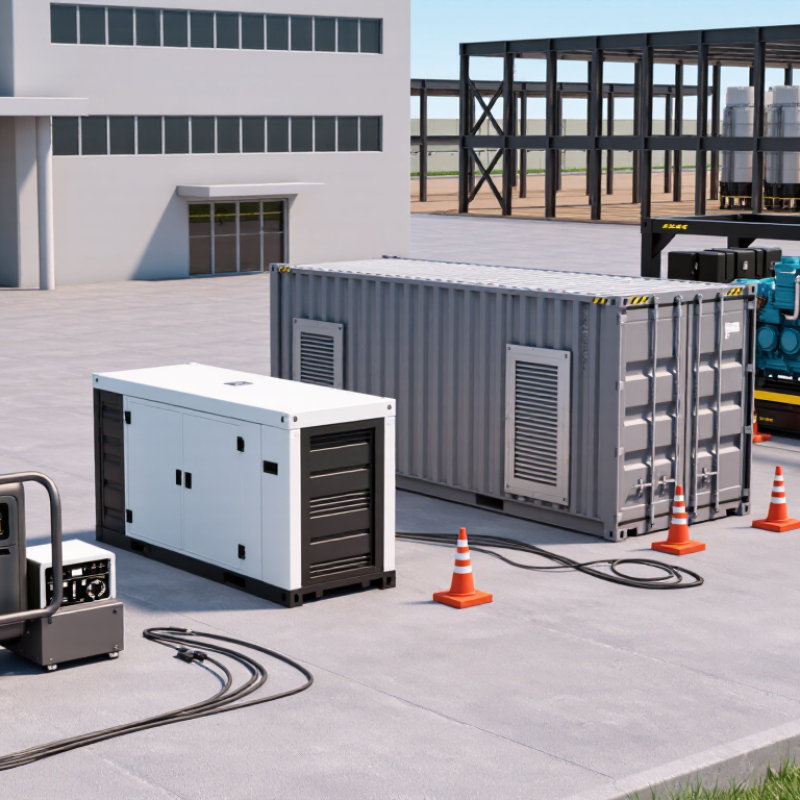
Containerized diesel generator sets combine an engine, alternator, controls, and protective enclosure in one transportable unit. They suit construction sites, remote facilities, and emergency power needs where equipment faces rain, dust, or frequent movement. The enclosure can help reduce noise and protect components, but performance depends on its design. It is not automatically weatherproof or quiet enough for every location.
Check the site before choosing a unit. A generator needs steady airflow, safe exhaust discharge, and room for service access. A container placed too close to a wall may restrict cooling. That detail is easy to miss. Match the generator’s rated output to the real load, including motor start-up demand. Undersizing can cause unstable operation; oversizing may waste fuel during light-load use.
Tips: Ask for enclosure protection and noise data, not just a product description. Confirm that doors open fully and filters can be reached. Keep fuel storage and exhaust planning in the design. These practical checks can prevent avoidable delays.
Containerized sets are useful, not effortless. Remote monitoring can help operators spot alarms, while scheduled inspections catch leaks, loose connections, and blocked vents. Conditions vary, so follow the equipment manual and local site requirements. A container can protect the machine, but it cannot replace proper installation or routine care.