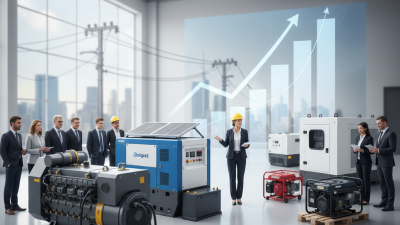
How to Choose a Diesel Generator Set in 2026?
Choosing a Diesel Generator Set in 2026 requires more than comparing engine power and purchase price. Real reliability begins with the site. A hospital, data centre, farm, and construction project each demand different protection, controls, and operating strategies. A set that performs well in a factory may struggle at high altitude, in dusty air, or under uneven loads.
As Caterpillar electric-power specialist Greg D. Ragan has stated, “The best generator is the one that starts and carries the load when it is needed.” This principle sounds simple. It is not always easy to prove. Buyers should examine starting performance, transient response, fuel consumption, cooling capacity, and automatic transfer-switch compatibility. Field experience matters here. A 500 kW rating can become misleading when the load includes pumps, compressors, or large motors.
This guide explains how to match a Diesel Generator Set with actual operating conditions in 2026. It considers standby, prime, and continuous applications. It also reviews emissions requirements, remote monitoring, maintenance access, fuel quality, noise control, and lifecycle cost. Some specifications remain uncertain until testing begins. That is an uncomfortable truth. Datasheets rarely show every weakness.
A practical selection should include measured load data, future expansion, local climate, service response, and spare-parts availability. Ask for factory test records. Request a witnessed site test. Check the battery cabinet, exhaust route, ventilation openings, and emergency controls. Small oversights can cause large failures. Reliable power is engineered before the outage, not during it.
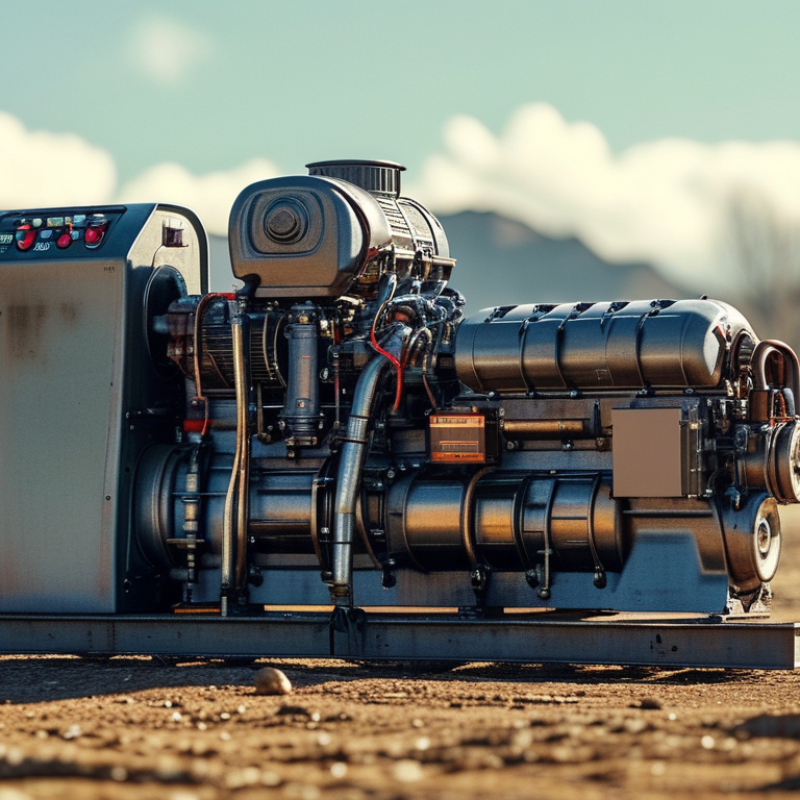
Define the Power, Load, and Runtime Requirements
How to Choose a Diesel Generator Set in 2026?
Define the Power, Load, and Runtime Requirements
Choosing a diesel generator set starts with real measurements, not guesswork. List every essential load, including pumps, lighting, servers, refrigeration, and ventilation. Record each item’s running watts and starting current. Motors can briefly demand three times their normal power. That surge may trip an undersized generator.
Separate continuous loads from occasional loads. A facility using 180 kW continuously may need a 250 kW generator for motor starts and future expansion. Keep the normal operating range near 60–80% of rated capacity. Oversizing also creates problems. Light loading can increase maintenance concerns and fuel inefficiency.
Site conditions change the calculation. High altitude, hot weather, dust, and restricted airflow can reduce available output. Ask for the manufacturer’s derating data at the actual installation location. Runtime depends on fuel-tank capacity, expected load, and delivery access. For example, a 200-liter tank may provide eight hours at one load level, but far less during heavy motor starting.
Use measured demand whenever possible. A temporary power meter can reveal peaks that a simple equipment list misses. A load-bank test is useful before commissioning. It confirms stable voltage, frequency, cooling performance, and fuel consumption. My own planning mistake has been trusting nameplate ratings too quickly. Real operating conditions are less tidy. Leave practical reserve, but challenge every assumption.
Compare Diesel Generator Types, Sizes, and Configurations
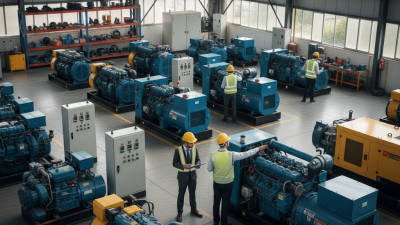
Choosing a diesel generator set in 2026 starts with the load, not the nameplate. The IEA’s Electricity 2024 report estimates data-centre electricity use may exceed 1,000 TWh by 2026. That growth increases demand for dependable backup power. A standby set suits occasional outages. A prime-rated set supports variable loads for extended periods. A continuous-rated set serves steady, long-duration operation. These ratings are not interchangeable.
Size the set for real operating conditions. List motors, pumps, heaters, servers, and battery chargers separately. Record starting current and expected load steps. A 500 kW load may briefly require much more power during motor starting. Check altitude, ambient temperature, fuel quality, and radiator airflow. Oversizing can cause low-load operation, wet stacking, and poor fuel efficiency. Undersizing creates nuisance trips and voltage dips. A neat spreadsheet can still be wrong.
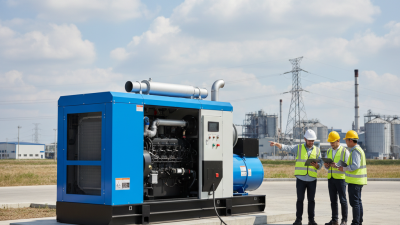
Tips: Compare open, weather-protected, and sound-attenuated configurations. Use an open set for controlled plant rooms. Choose an enclosed design for outdoor installation or noise-sensitive sites. For critical facilities, parallel multiple smaller sets instead of relying on one large unit. This improves maintenance flexibility, but synchronizing controls add complexity. The U.S. Energy Information Administration continues to report distillate fuel as a significant industrial energy source, yet fuel storage should reflect local delivery risks and site autonomy. Include automatic transfer equipment, resistive load-bank testing, and clear maintenance access. A practical field test often reveals assumptions that design drawings miss.
Evaluate Fuel Efficiency, Emissions, and Operating Conditions
How to Choose a Diesel Generator Set in 2026?
Fuel efficiency starts with the load profile, not the nameplate rating. A 500 kW set running at 20% load may waste more fuel than expected. Compare manufacturer test data at 25%, 50%, 75%, and 100% load. The U.S. Energy Information Administration reports diesel fuel contains about 137,381 Btu per gallon. That energy still becomes heat when the engine is lightly loaded. In field inspections, unstable loads often reveal the real cost: frequent low-load operation, long idling periods, and oversized equipment.
Emissions require equal attention. U.S. EPA Tier 4 Final standards for many 130–560 kW nonroad engines limit particulate matter to 0.02 g/kWh and combined NOx plus hydrocarbons to 0.4 g/kWh. These figures matter near hospitals, warehouses, and residential areas. Check whether the exhaust system needs diesel particulate filtration or selective catalytic reduction. Maintenance records matter, too. A clean test sheet cannot compensate for blocked filters or poor-quality fuel.
Operating conditions can change the selection. At high altitude, hot temperatures, or dusty sites, available power may fall. ISO 8528 load ratings help, but real sites are less tidy than laboratory tests. I would leave capacity margin, yet not too much. Oversizing remains an easy mistake. Review hourly loads, emergency duration, ambient temperature, and service access before approving the final specification. Some assumptions will be wrong. That is why measured site data deserves more trust than a neat spreadsheet.
How to Choose a Diesel Generator Set in 2026?
Evaluate fuel efficiency, emissions, and operating conditions before selecting the rated power and control strategy.
At higher load factors, diesel generator sets typically use less fuel per kilowatt-hour because fixed auxiliary losses are spread across more output. The CO₂ values are calculated from fuel consumption using approximately 2.68 kg of CO₂ per litre of diesel. Actual NOₓ and particulate emissions depend on engine design, after-treatment, fuel quality, maintenance, and applicable emissions certification.
For continuous operation, target a practical average load of about 60–80% of rated capacity, while confirming transient-load performance, ambient temperature, altitude, cooling requirements, and local emissions regulations.
Check Controls, Safety Features, Noise, and Maintenance Access
How to Choose a Diesel Generator Set in 2026?
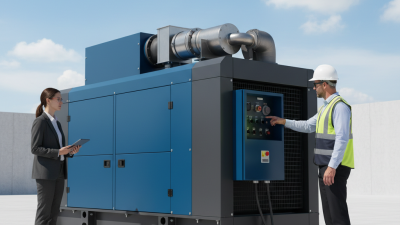
A suitable diesel generator set should be easy to understand during a stressful outage. Check whether the control panel shows load, oil pressure, coolant temperature, battery status, and fault history. Clear alarms matter more than decorative screens. Operators should start, stop, and test the unit without searching through confusing menus. Remote monitoring can help, but it should not replace local controls. A weak network connection must not leave staff blind.
Safety features deserve a close inspection. Look for emergency stop access, guarded hot surfaces, automatic shutdowns, and reliable circuit protection. Confirm that fuel lines, exhaust components, and batteries are safely positioned. During site checks, I prefer standing beside the enclosure while the generator runs. Listen for rattling panels and watch for unusual vibration. Small warning signs often become expensive failures. Maybe not always, but ignoring them is worse.
Noise should be measured near offices, homes, or work areas, not only beside the machine. Ask for operating sound data at the expected load. A quiet enclosure may still need airflow and heat management. Maintenance access is equally practical. Can a technician reach filters, belts, batteries, drains, and inspection points without dismantling panels? Leave space for tools and safe movement. I once saw a compact installation that looked efficient, yet routine oil changes became awkward and slow. That design choice needed more thought.
Verify Compliance, Installation Needs, Warranty, and Lifetime Cost
How to Choose a Diesel Generator Set in 2026?
Selecting a diesel generator set requires more than comparing rated power. Verify compliance documents, emissions requirements, noise limits, and electrical safety certifications before requesting a quotation. Requirements can differ by country, site, and intended use. Ask for test reports, protection settings, and documented fuel-consumption data. A sales promise is not enough.
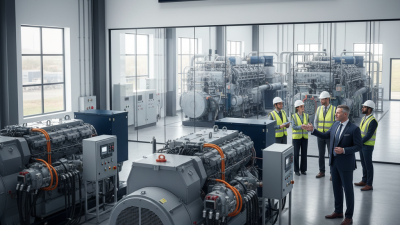
Installation details often determine reliability. Check the foundation, ventilation, exhaust routing, fuel storage, transfer switch, and maintenance access. A generator may fit the room but still fail because hot air cannot escape. Measure door widths and lifting paths. Leave space around filters and batteries. I have seen projects underestimate cable length, then pay more during commissioning. That mistake is avoidable, though site conditions can still surprise you.
Tips: Compare warranty coverage, response times, exclusions, and authorized service availability. Confirm whether labor, travel, batteries, and major components are included. Review the planned load profile, not only maximum output. Calculate lifetime cost using fuel consumption, scheduled maintenance, spare parts, testing, and expected operating hours. A cheaper unit can become expensive after frequent servicing. Still, lifetime estimates are imperfect when fuel prices and workloads change. Request assumptions in writing, and challenge figures that seem unusually optimistic. Keep records of inspections, load-bank tests, repairs, and fuel use. Reliable documentation supports warranty claims and improves future purchasing decisions.