What is a Diesel Generator Set and How Does it Work?
A Diesel Generator Set is a crucial power source for various applications. It combines a diesel engine with an electric generator. This combination creates reliable electricity, especially in areas where grid power is unstable. The set can be used in emergencies or as a primary power source.
Understanding how a Diesel Generator Set works is essential. It converts diesel fuel into mechanical energy through combustion. This energy then drives the generator, producing electricity. Their efficiency and durability make them popular in construction, mining, and residential areas. However, they can be noisy and emit pollutants.
It's important to weigh the benefits against these drawbacks. Diesel Generator Sets offer reliable power but require regular maintenance. Users should also consider environmental impacts. Proper installation and care can maximize their lifespan and effectiveness.
What is a Diesel Generator Set?
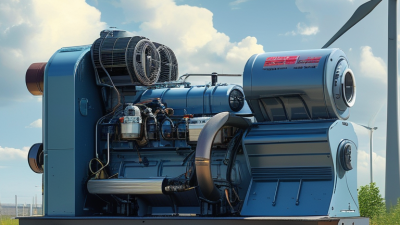
A diesel generator set, often called a genset, is a machine that converts diesel fuel into electricity. It consists of a diesel engine and an alternator. Together, they work to provide power in various settings. From construction sites to hospitals, its applications are vast. These generator sets are vital for backup power or off-grid scenarios.
The diesel engine burns fuel to create energy. This process drives the alternator, which generates electricity. These units are known for their reliability. They can run for long hours without interruptions. However, they require regular maintenance to operate optimally. Neglecting upkeep can lead to equipment failures.
One challenge is noise pollution. Diesel generators can be loud, making them less suitable for quiet environments. Additionally, emissions from diesel fuel raise environmental concerns. This makes it essential to weigh the benefits against these drawbacks. Diesel generator sets remain important for many industries, but improvements are still needed. Their efficiency and impact on the environment deserve ongoing reflection and improvement.
Components of a Diesel Generator Set
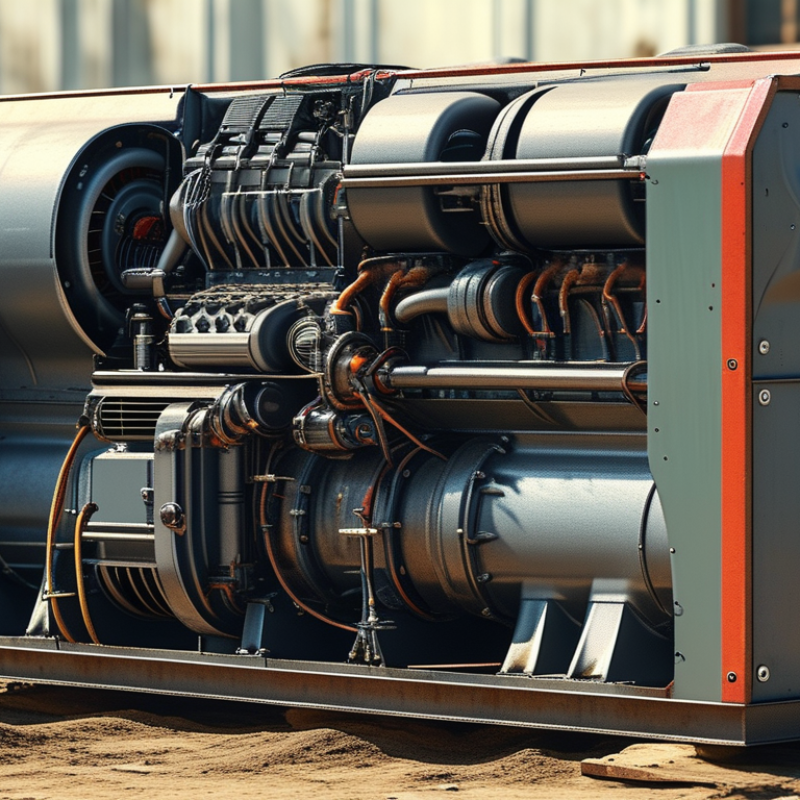
A diesel generator set consists of several critical components that work together to provide reliable power. At its core is the diesel engine. This engine converts fuel into mechanical energy. It provides the necessary power to generate electricity. The selection of the engine size affects performance and efficiency.
Another essential component is the alternator. This device converts mechanical energy from the engine into electrical energy. The quality of the alternator can determine the efficiency of power generation. A poorly designed alternator may lead to energy loss and overheating.
Fuel tanks are also vital. They store diesel fuel for the engine. The design must prevent leaks or spills. Ensuring a safe storage method is crucial for environmental safety. Additionally, control panels manage operation and monitor performance. They can indicate problems in real-time. Backup systems are necessary to prevent failures. Each part plays a significant role in the overall functionality. Understanding these components helps in better maintenance and reliability.
How Does a Diesel Generator Set Operate?
A diesel generator set, often called a diesel genset, combines a diesel engine with an electric generator to produce electricity. The process begins when the engine burns diesel fuel. This combustion creates mechanical energy that powers the generator. The generator then converts this mechanical energy into electrical energy.
When operating, the diesel generator set requires careful monitoring. It needs a cooling system to prevent overheating. Proper fuel management is also crucial. Using clean, high-quality diesel can enhance performance. Regular maintenance can extend the life of the generator.
**Tip:** Always check the oil level before starting the generator. Low oil may cause damage to the engine.
In addition, soundproofing is essential in residential areas. The noise from a running diesel generator can be disruptive. Consider insulation or location adjustments to minimize disturbances. Reflect on your energy needs too. Underestimating power demand can lead to inadequate performance. Careful planning helps maintain efficiency and reliability.
Advantages of Using Diesel Generator Sets
Diesel generator sets (gensets) are crucial for providing reliable power. They are especially valuable in areas lacking stable electricity. According to the International Energy Agency, about 500 million people rely on diesel generators for their electricity needs. Their advantages make them popular across various industries.
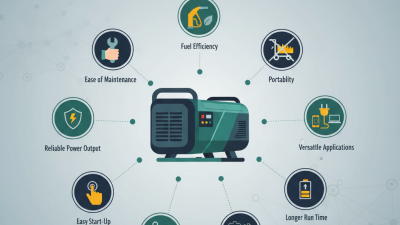
One major benefit is their durability. Diesel engines can run longer than gasoline engines. This translates to lower maintenance costs over time. Data from industry reports show, on average, diesel gensets can operate for up to 20,000 hours before requiring significant repairs. This efficiency makes them ideal for construction sites, remote locations, and emergency power.
**Tip:** Regular maintenance can extend the life of your diesel genset. Check oil levels and replace filters as needed.
Another advantage is fuel efficiency. Diesel engines convert fuel to energy more effectively, often achieving 30% better fuel economy than gasoline. Reports indicate that well-maintained diesel gensets consume less fuel, reducing operational costs. This is particularly crucial for companies looking to minimize expenses while maintaining power reliability.
**Tip:** Invest in high-quality fuel to ensure optimal performance. Impurities can lead to increased wear and tear.
Lastly, diesel gensets produce less CO2 per unit of energy generated compared to other fuel sources. As industries aim for sustainability, this attribute becomes a significant deciding factor.
What is a Diesel Generator Set and How Does it Work? - Advantages of Using Diesel Generator Sets
| Dimension |
Description |
Advantages |
| Power Output |
Typically ranges from 5 kW to 2000 kW depending on the size and application. |
High power capacity suitable for both residential and industrial use. |
| Fuel Efficiency |
Diesel engines are known for their high thermal efficiency compared to petrol engines. |
Lower fuel costs and longer operational times between refuels. |
| Durability |
Built to withstand heavy loads and prolonged usage. |
Longer lifespan and less maintenance compared to other generator types. |
| Load Management |
Can handle sudden increases in power load without significant performance issues. |
Reliable power supply during critical applications and peak demands. |
| Environmental Impact |
Diesel generators emit CO2 but are more efficient than gasoline generators. |
Can be fitted with filters and emissions controls to reduce pollution. |
Common Applications of Diesel Generator Sets
Diesel generator sets (gensets) are reliable power solutions, often deployed in various sectors. They provide backup power during outages and ensure continuous operations in critical environments. According to the World Bank, over 700 million people globally still lack consistent electricity. In such situations, diesel gensets prove vital, delivering power for healthcare facilities, schools, and emergency services.
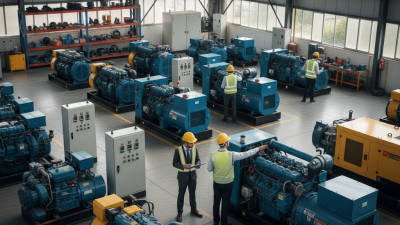
Construction sites frequently utilize diesel gensets for their high power output and portability. According to a report by MarketsandMarkets, the global construction industry is set to grow, increasing the demand for mobile power solutions. Diesel gensets meet the energy needs of heavy machinery and tools, which cannot function without reliable power sources. In remote locations, where grid access is limited, these sets can be the lifeline for ongoing projects.
Despite their benefits, there are challenges to consider. Environmental concerns regarding emissions remain significant. Diesel engines produce nitrogen oxides and particulate matter, which have adverse effects on air quality. Regulatory frameworks are evolving, pushing for cleaner energy alternatives. This reflects the industry's need to adapt, innovate, and reduce emissions while maintaining efficiency. Balancing power needs with environmental responsibility is an ongoing challenge for diesel genset applications.