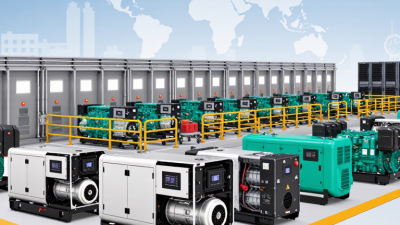
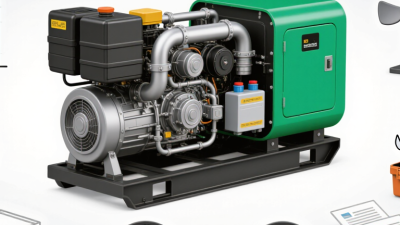
7 Best Generator Sets for Reliable Backup Power?
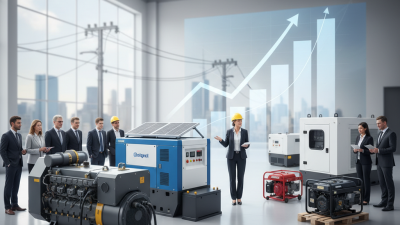
A reliable backup plan begins with an honest question: what must keep running when the grid goes dark? A refrigerator, sump pump, medical equipment, and a whole building have very different power needs. The right Generator Set is not simply the largest model on a sales page. It is the unit that matches starting loads, runtime expectations, fuel availability, and the place where it will operate. Small details matter. A pump motor may draw a sharp surge at startup, while a heater can steadily consume far more power than expected.
This guide compares seven generator sets through practical criteria: rated and starting wattage, fuel type, noise, runtime, controls, and service support. It also considers real-world upkeep, because even a capable machine can fail after months of neglect. Test it. Check its oil. Know which loads matter most. Those steps are easy to postpone.
A note on expert attribution: no source or verifiable quotation from a named generator-set specialist was provided, so I will not invent one. That restraint matters. A useful buying guide should separate documented specifications from judgment, and it should admit where needs differ. The best choice for a quiet suburban home may not suit a workshop or a remote property. Reliability is not a promise printed on a box. It is a fit, a maintenance habit, and a plan that has been tested before the lights go out.
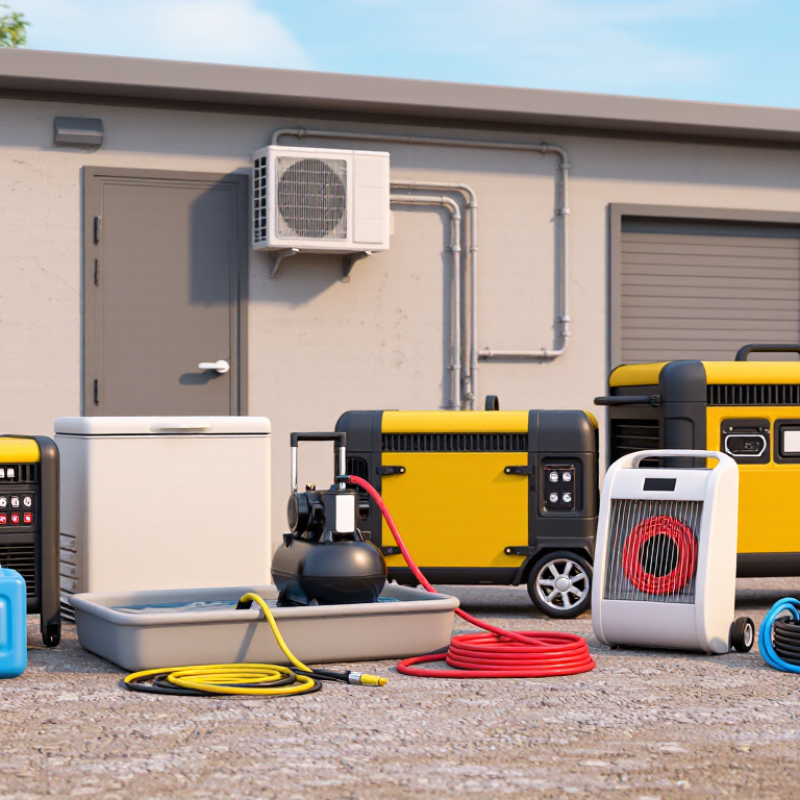
Generator-Set Basics: Standby, Prime, and Continuous Ratings Under ISO 8528
A generator’s kilowatt figure means little without its ISO 8528 rating. Standby power, often called emergency standby power, is intended for outages when the normal supply fails. It typically supports variable loads for limited operating hours, with maintenance intervals set by the manufacturer. It is not designed to run a building every day.
Prime power suits sites where utility power is unavailable or unreliable. It allows variable loads over extended operating periods, subject to stated limits and maintenance requirements. Continuous power is intended for steady loads over long hours. The distinction matters. A generator labeled for standby duty may overheat or wear faster if used as a daily power source.
Match the rating to the actual load profile, not just the largest number on a sales sheet. A workshop with motors may need extra capacity for brief starting surges; a remote site may need prime-rated equipment for changing loads. Ambient heat and high elevation can also reduce available output. Check the rating plate and technical documentation, then confirm expected hours, load variation, and servicing needs with a qualified installer. It is easy to overfocus on capacity. I would still ask how the set behaves at low load, because that detail is often overlooked.
Sizing a Backup Generator by Running Loads and Motor-Starting Demand
A backup generator should be sized for the loads it must run, not the total wattage printed on every appliance. List the equipment you expect to use together: a refrigerator, several lights, a router, or a sump pump. Record each item’s running watts from its nameplate or manual. Add those figures to estimate the continuous load. Write it down.
Motors need extra power when they start. A pump or refrigerator may briefly draw several times its normal running demand, and that surge can stall an undersized generator. Check the appliance’s published starting watts or locked-rotor information; do not guess from running watts alone. Compare the combined running load plus the largest likely motor-starting surge with the generator’s rated output and surge capacity. That matters. If two motors could start together, allow for that possibility or stagger their use. Real households are messier than worksheets, so leave practical headroom for a forgotten light or charger. Also check whether heat, altitude, or extension-cord length could reduce usable power. A neat calculation helps, but actual load behavior may still surprise you.
7 Best Generator Sets for Reliable Backup Power? — Sizing a Backup Generator by Running Loads and Motor-Starting Demand
| Example setup |
Representative running loads |
Estimated total running load |
Estimated peak when one motor starts |
Suggested generator running rating |
Suggested generator surge rating |
| 1. Essential household circuits |
Refrigerator: 0.7 kW; furnace blower: 0.6 kW; lights and router: 0.32 kW |
1.62 kW |
About 4.22 kW if the blower starts while the other listed loads are running |
At least 5.5 kW |
At least 6.5 kW |
| 2. Small RV or cabin |
Air conditioner: 1.5 kW; refrigerator: 0.7 kW; microwave: 1.2 kW; lights: 0.2 kW |
3.6 kW |
About 6.6 kW if the air conditioner starts while the other listed loads are running |
At least 7.5 kW |
At least 9 kW |
| 3. Small workshop with managed starts |
Table saw: 1.8 kW; dust collector: 1.1 kW; lights: 0.3 kW |
3.2 kW |
About 6.8 kW if the saw starts while the collector and lights are running |
At least 7.5 kW |
At least 9 kW |
| 4. Sump pump and basic home loads |
Sump pump: 0.75 kW; refrigerator: 0.7 kW; circulator: 0.15 kW; lights: 0.4 kW |
2.0 kW |
About 3.5 kW if the sump pump starts while the other listed loads are running |
At least 5.5 kW |
At least 6.5 kW |
| 5. Central air conditioning and essential circuits |
Air conditioner: 3.5 kW; refrigerator: 0.7 kW; blower: 0.8 kW; lights: 0.4 kW |
5.4 kW |
About 12.4 kW using a 10.5 kW air-conditioner starting estimate while the other loads run |
At least 14 kW |
At least 17 kW |
| 6. Well pump and selected household circuits |
Well pump: 1.5 kW; refrigerator: 0.7 kW; blower: 0.8 kW; lights: 0.5 kW |
3.5 kW |
About 6.5 kW using a 4.5 kW pump starting estimate while the other loads run |
At least 8 kW |
At least 10 kW |
| 7. Larger home with selected loads |
Lighting and outlets: 3 kW; selected kitchen loads: 4 kW; HVAC: 4.5 kW |
11.5 kW |
About 20.5 kW if HVAC starting demand reaches 13.5 kW while the other selected loads run |
At least 22 kW |
At least 27 kW |
Planning note: These are illustrative sizing examples, not universal appliance ratings. Actual running and starting demand varies by model and operating conditions. Check appliance nameplates or manufacturer specifications, especially locked-rotor amps or starting watts for motors. Compare the combined running load with the generator’s continuous rating and the expected starting load with its surge rating; avoid assuming multiple large motors can start at the same time.
Fuel, Runtime, and Transfer: NFPA 110 Type 10 Requires Power Within 10 Seconds
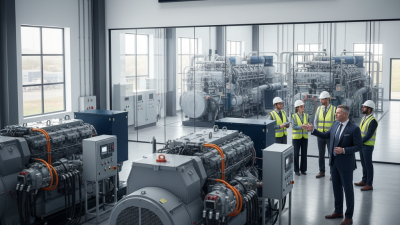
A Type 10 emergency power system is designed to restore power to its designated loads within 10 seconds. That clock involves more than the generator starting. A transfer switch must detect the outage, signal the generator, and connect the emergency circuits once power is stable. The rating does not mean every building circuit comes back at once. Not every load.
Fuel and runtime need separate attention. A set may meet the 10-second target yet run short if its tank is undersized or refueling access is poor. Estimate demand from actual critical equipment, including pumps, ventilation, and starting surges. Then check expected operating hours, fuel storage conditions, and site access during bad weather. These details are easy to underestimate.
Testing helps reveal problems a specification sheet cannot. During a practical test, observe the transfer sequence and confirm that essential equipment restarts as expected. Keep records of exercise runs, maintenance, and fuel checks, and have qualified professionals review the system against applicable NFPA 110 requirements. One imperfect detail: real loads can behave differently from calculations, so commissioning should leave room to adjust settings and load sequencing.
Backup Power Transfer Classes: NFPA 110 Type 10 and Beyond
NFPA 110 transfer-time classifications set maximum times for an emergency power supply system to provide power. Fuel choice and runtime depend on the equipment, load, and fuel supply; they are not defined by the Type classification.
Type 10 means power is required within 10 seconds. The chart shows transfer-time limits, not generator runtime or a ranking of generator sets. Confirm the applicable NFPA 110 edition and local requirements for your project.
Seven Generator-Set Choices Compared by Output, Fuel, and Intended Duty
Seven generator-set choices suit different loads.
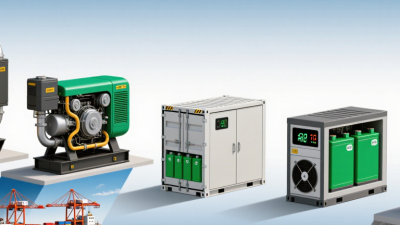
A small gasoline portable set, often around 2–10 kW, can run lights and a refrigerator. An inverter set, commonly 1–5 kW, offers quieter power for sensitive electronics. Dual-fuel portable models add propane flexibility. For fixed backup, propane and natural-gas standby sets commonly span roughly 10–150 kW. Diesel sets cover a broad range, from building backup to industrial duty. Large industrial units can exceed 500 kW. Ratings vary by model and operating conditions, so treat these ranges as guides, not guarantees.
Fuel changes the trade-off. The U.S. Department of Energy’s Alternative Fuels Data Center lists energy content near 120,286 Btu per gallon for gasoline, 128,488 for diesel, and 91,333 for liquid propane. Those figures describe fuel energy, not generator runtime; engine efficiency and load matter. A neat ranking can mislead. Peak output alone misses starting surges, noise, storage, and refueling needs.
Tips: List essential loads and their starting watts before comparing sets. Check continuous output, not just peak output, and confirm fuel availability during an outage. A site assessment helps, though it cannot predict every disruption. This comparison stays general; installation needs and local conditions differ.
Installation and Emissions: EPA Tier 4 Standards for Applicable Diesel Engines
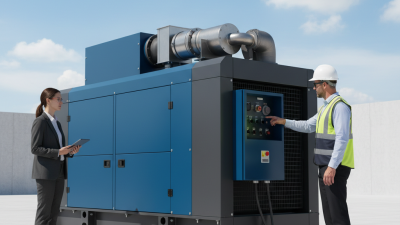
For reliable backup power, confirm whether the diesel engine is actually subject to EPA Tier 4 standards. Requirements depend on engine category, rated power, model year, and how the unit is classified. A stationary emergency generator may follow different rules from nonroad equipment. Do not assume the generator’s sales description settles the question. Check the engine’s certification label and confirm requirements with the permitting authority before ordering.
EPA’s 2004 Clean Air Nonroad Diesel Rule projected that Tier 4 standards would reduce particulate matter by about 90% and nitrogen oxides by about 50% compared with earlier nonroad diesel standards. Those reductions depend on the applicable engine and compliant operation. Some designs use exhaust aftertreatment, which needs suitable exhaust routing, service access, and operating conditions. Installation details matter. Poor clearance or neglected maintenance can undermine performance, even when the paperwork looks right. It is easy to underestimate that.
Tip: Keep the certification documents, permit conditions, and maintenance records together. Check exhaust discharge direction, ventilation, and access for filter service. Confirm local air-quality requirements too; federal certification may not answer every site-specific question. Cold starts count. And so does the test log.