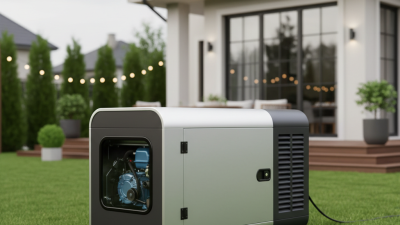
What Is a Wolver Generator Set and How Does It Work?
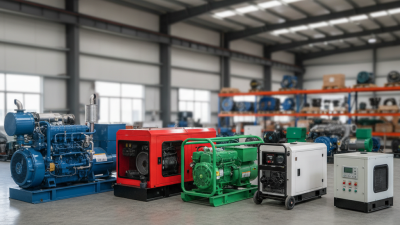
A Wolver Generator Set is best understood as an integrated power system, not merely a large engine. It combines a diesel or gas engine, alternator, control panel, cooling system, fuel supply, and protective equipment. During a utility failure, the engine produces mechanical rotation. The alternator then converts that rotation into electrical power. An automatic transfer switch connects the load, often within seconds.
Why does this matter now? The International Energy Agency expects global data-centre electricity consumption to more than double by 2026, exceeding 1,000 terawatt-hours. Reliable standby generation is becoming increasingly important for hospitals, factories, construction sites, and data facilities (IEA, Electricity 2024). MarketsandMarkets also projects continued growth in the global diesel generator market, driven by backup power demand and unstable grid conditions.
Power-generation author Paul Breeze describes a generator as “a machine that converts mechanical energy into electrical energy.” That simple explanation remains useful. The difficult part is selecting the correct capacity, fuel system, voltage, and response time. A 500 kVA unit may fail under a motor’s starting surge. It may also run inefficiently when lightly loaded.
The term Wolver Generator Set may describe a specific brand, model, or regional product name. Public technical information appears limited, so specifications require careful verification. This is an important limitation. Readers should check the nameplate, datasheet, emissions certification, maintenance records, and load-test results before making a purchase. The following sections explain the operating cycle, main components, practical applications, and performance limits in clear terms.
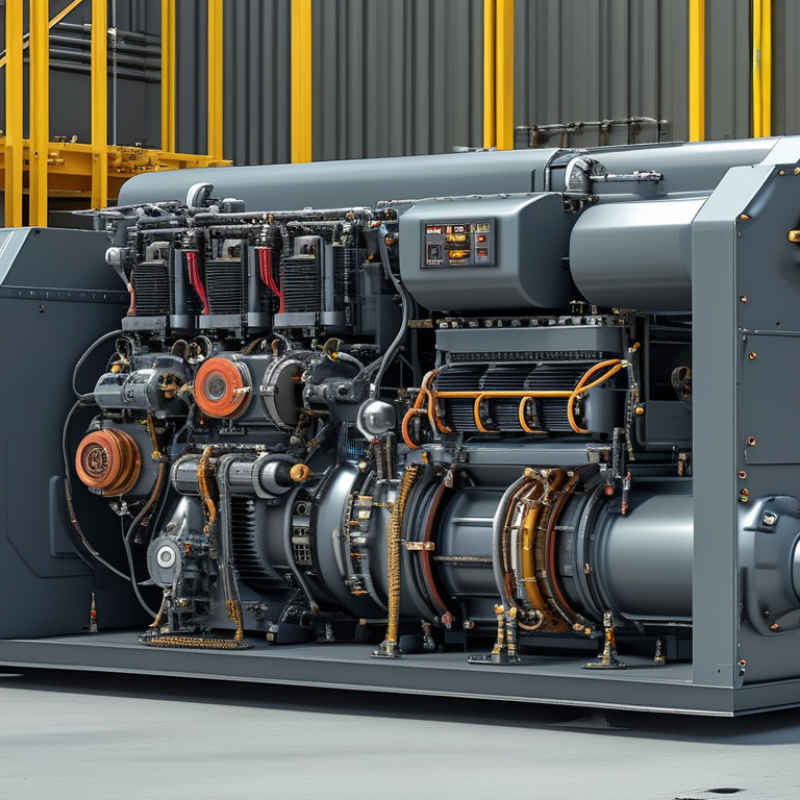
Wolver Generator Set Components: Engine, Alternator, Fuel System, and Controls
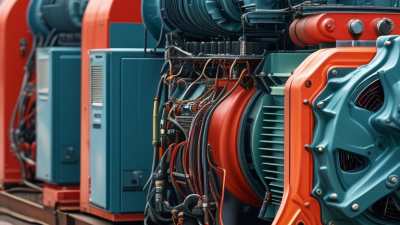
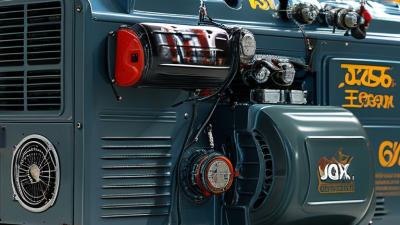
A Wolver generator set combines an engine, alternator, fuel system, and control panel in one standby power unit. The engine converts diesel or gas into mechanical rotation. The alternator then converts that rotation into electrical energy. This process sounds simple, but small installation errors can reduce reliability.
The fuel system includes the tank, pump, filters, injectors, and return lines. Clean fuel matters because blocked filters can cause unstable output or sudden shutdowns. The alternator contains a rotor, stator, and voltage regulator. Together, they maintain usable voltage and frequency for connected equipment. The control system monitors oil pressure, coolant temperature, battery voltage, frequency, and overload conditions. ISO 8528-5 classifies generator performance under changing loads, which helps engineers select suitable operating limits. The IEA’s Electricity 2024 report expects data-centre electricity consumption to more than double by 2026. That trend makes dependable backup systems increasingly important. Still, specifications alone cannot prevent poor maintenance.
Tips: Check fuel quality, battery condition, coolant level, and exhaust ventilation before each test. Run the set under load when possible. An unloaded test may hide problems. Record voltage, frequency, engine hours, and alarm history. I would also review the control settings twice; incorrect delay timers are easy to overlook. Practical experience shows that the weakest component is often not the engine, but neglected wiring or sensing equipment.
ISO 8528 Ratings: Comparing Wolver Prime and Standby Power in kVA
A Wolver generator set converts diesel fuel into mechanical rotation, then electrical power. Its output is commonly shown in kVA, not only kilowatts. At a 0.8 power factor, a 1,000 kVA set delivers about 800 kW. That distinction matters when motors, pumps, and data equipment start together.
ISO 8528-1:2018 separates Prime Power (PRP) from Emergency Standby Power (ESP). PRP supports variable loads for unlimited running hours, subject to maintenance and the specified average load. ESP covers temporary outages and normally permits limited annual operation. Many manufacturers use about 200 hours yearly, but ISO itself does not create one universal hour limit. Always check the declared rating sheet.
Prime is built for repetition. Standby is built for interruption.
The difference is becoming more important. The IEA’s Energy and AI report estimates that data centres used about 415 TWh of electricity in 2024. Demand could exceed 945 TWh by 2030. A standby-rated set may protect a facility during a grid failure, but it may not suit frequent load shedding or weak-grid operation. A prime-rated set usually offers better thermal stability under long, changing loads. Yet oversizing can reduce engine efficiency and cause wet stacking. I have seen load calculations look correct on paper, then fail during motor starting. The practical check is simple: compare kVA, kW, power factor, starting current, site altitude, and expected annual hours against the ISO rating and the manufacturer’s test data.
Power Generation Sequence: How Mechanical Energy Becomes 50/60 Hz Electricity
A Wolver generator set can be understood as an engine-driven system that converts fuel energy into usable electricity. The sequence begins inside the engine, where controlled combustion pushes pistons downward. Connecting rods transfer this force to the crankshaft as mechanical rotation. A flexible coupling then carries that rotation to the alternator rotor. The process is physical, not instant. Heat, friction, and vibration consume part of the input energy.
Inside the alternator, the rotating rotor creates a changing magnetic field. This field crosses the stationary stator windings and induces alternating voltage. The output frequency depends mainly on rotor speed and pole count. A four-pole machine needs 1,500 rpm for 50 Hz or 1,800 rpm for 60 Hz. A two-pole machine needs 3,000 or 3,600 rpm. An electronic or mechanical governor adjusts fuel delivery when the load changes. An automatic voltage regulator controls excitation to keep voltage stable.
The sequence sounds orderly. Real equipment is less perfect. A motor starting suddenly can pull down voltage and engine speed for a moment. The controller responds, but response time matters. Technicians check frequency with calibrated instruments, inspect coupling alignment, and listen for unusual bearing noise. Poor maintenance can create unstable output, excessive heat, or uneven waveform quality. In field work, I would never judge performance from voltage alone. Frequency, phase balance, temperature, and load behavior must be measured together.
What Is a Wolver Generator Set and How Does It Work?
A generator set converts mechanical energy from an engine into alternating electrical energy. The rotor’s speed and the number of magnetic poles determine the output frequency: f = P × N ÷ 120, where f is frequency in hertz, P is the number of poles, and N is rotational speed in revolutions per minute.
Power-generation sequence: The prime mover produces mechanical torque, the rotor converts that torque into a rotating magnetic field, and the stator produces alternating voltage through electromagnetic induction. A four-pole generator must rotate at 1,500 rpm for 50 Hz electricity or 1,800 rpm for 60 Hz electricity. Voltage regulation and engine-speed control help maintain stable electrical output.
Fuel Performance: Typical Diesel Consumption of 200–250 g/kWh
A wolver generator set is a diesel-powered system that produces electricity when grid power is unavailable or unstable. Its engine burns diesel and turns a crankshaft. The alternator then converts that mechanical movement into electrical energy. A controller adjusts engine speed, voltage, and frequency during changing loads. In a workshop, you may hear the engine deepen its tone when motors start. That sound often signals a sudden power demand.
Fuel performance is commonly measured in grams per kilowatt-hour. A typical diesel consumption range is 200–250 g/kWh, usually near the rated load. With diesel density around 0.84 kg per liter, this equals roughly 0.24–0.30 liters per kWh. A 100 kW set may therefore use about 24–30 liters per hour. This estimate is useful, but it is not a promise. Low-load operation can be less efficient, especially below 30% of rated capacity. Heat, altitude, injector condition, and fuel quality also affect consumption. Real sites are rarely perfect.
Tips: Record fuel use beside output power, not by runtime alone. Check the load profile with a meter for several operating hours. Clean filters and correct oil levels support steadier combustion. Oversizing the set may waste fuel; undersizing can overload the engine. I would also leave room for starting surges, because calculated demand can miss a large pump or compressor. Small measurement errors matter.
Voltage Regulation and Protection: AVR, Breakers, and Automatic Transfer Switching
A wolver generator set converts mechanical energy into electrical power when the main supply fails. Its voltage regulation system is central to safe operation. The automatic voltage regulator, or AVR, measures output voltage continuously. It then adjusts the generator’s excitation to keep voltage stable under changing loads. A sudden motor start may cause a brief dip. That response is normal, but excessive fluctuation can damage sensitive equipment.
Circuit breakers provide the first protection layer. They open the circuit during overloads or short circuits, limiting heat and equipment damage. Correct breaker sizing matters. An oversized breaker may not trip quickly enough. An undersized one may interrupt harmless starting currents. I have found that loose connections often create confusing symptoms, including nuisance trips and uneven voltage. They should be inspected during scheduled maintenance.
An automatic transfer switch, or ATS, monitors the utility supply. When it detects an outage, it starts the generator after a programmed delay. The ATS transfers the load only after voltage and frequency become acceptable. A built-in interlock prevents utility and generator power from connecting together. When utility power returns, the switch usually waits before retransferring, reducing stress from unstable restoration. Testing should include simulated outages, breaker operation, and manual bypass procedures. Small oversights remain possible. Records, measurements, and qualified inspection make the system more dependable.