What is a Generator Set and How Does it Work?
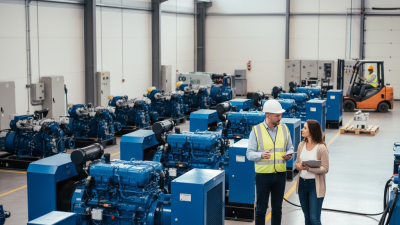
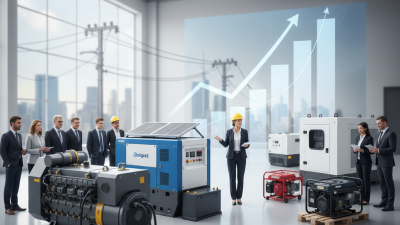
A Generator Set is a crucial component in today's power generation landscape. It combines an engine and an alternator to produce electricity. This system is essential in various applications, from standby power during outages to primary power in remote locations. Understanding how a Generator Set works can empower you to make informed decisions about energy solutions.
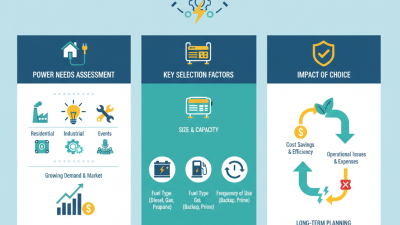
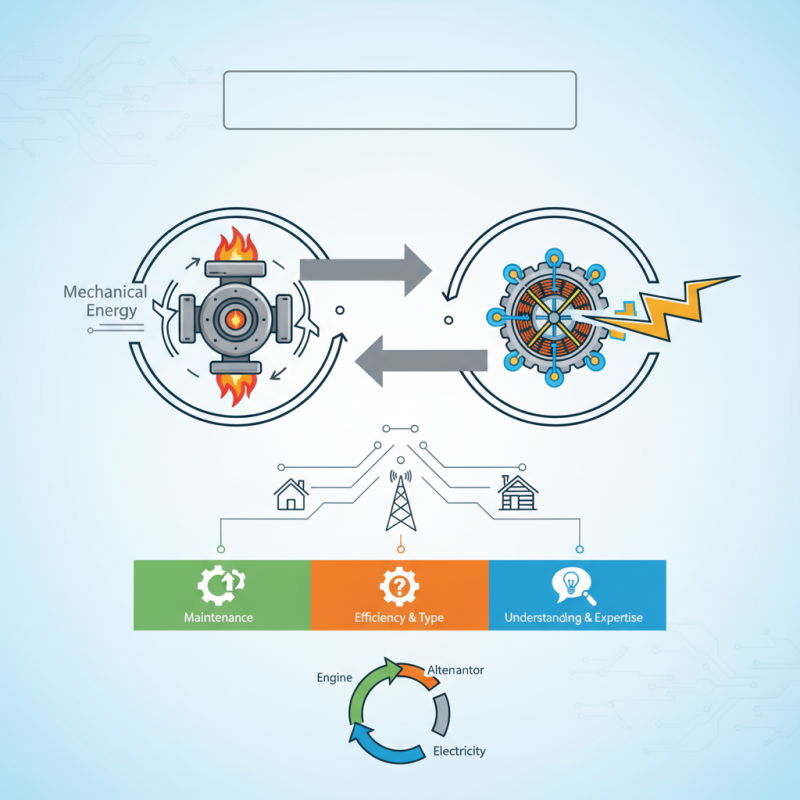
The operation of a Generator Set involves converting mechanical energy into electrical energy. The engine drives the alternator, generating power. However, efficiency varies based on the type and size of the Generator Set. Different models may not perform as expected in challenging conditions. It's important to assess your specific needs to choose the right Generator Set.
Many factors influence the reliability of a Generator Set. Regular maintenance is key to ensuring longevity and optimal performance. Neglecting this can lead to unexpected failures. Accessing expert knowledge can enhance your understanding of these systems. As you delve into this topic, consider the complexities and potential drawbacks. Embracing the intricacies of Generator Sets can help you harness their full power potential.
What is a Generator Set?
A generator set, commonly referred to as a genset, is a vital power solution. It consists of an engine and an electrical generator mounted together to produce electricity. Generators are used in diverse applications, from residential homes to large industrial facilities. According to a report by Market Research Future, the global generator market is expected to reach $35 billion by 2025 due to increased energy demand.
Gensets provide backup power during outages. They can operate on various fuels, including diesel, gasoline, or natural gas. The efficiency of a generator set is crucial. Data shows that heavy-duty generators can deliver up to 90% efficiency in optimal conditions. However, factors like fuel quality and maintenance practices impact performance. Regular checks are essential. A lack of proper maintenance can lead to decreased output or equipment failure.
The noise and emissions from generator sets are notable concerns. Many models produce between 60 to 100 decibels, which may disturb the surrounding environment. Moreover, emissions regulations are tightening. In some regions, older units may not comply with new standards. Therefore, it is important for users to consider both environmental and regulatory aspects when selecting a generator set. The right choice can prevent future complications and enhance overall sustainability.
Power Output of Different Generator Sets
This bar chart displays the power output (in kW) of different types of generator sets. It highlights the capabilities of various generator technologies commonly used in various applications.
Key Components of a Generator Set Explained
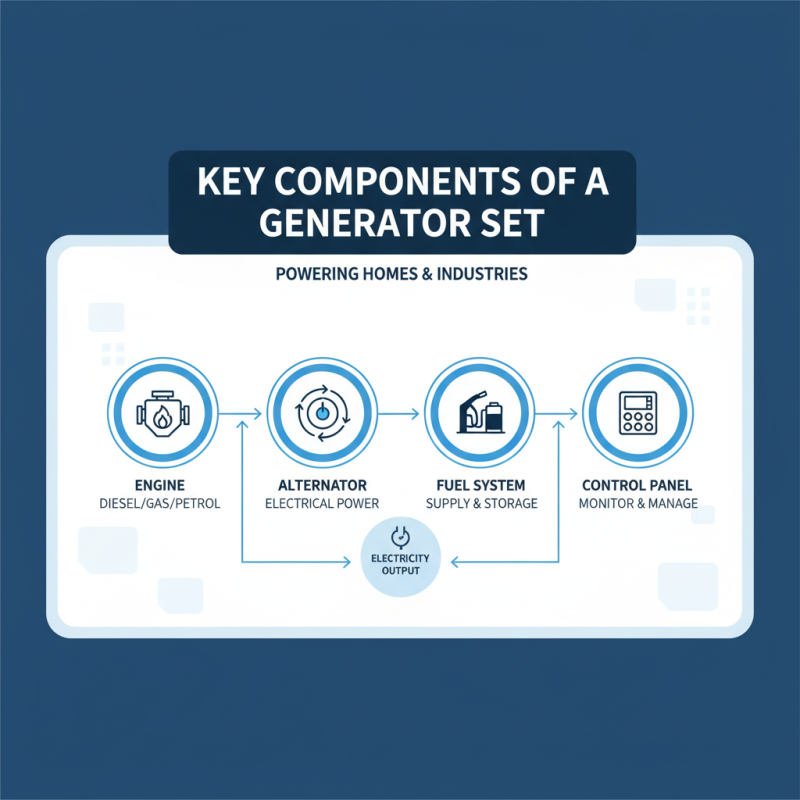
A generator set, commonly referred to as a genset, is a vital device for providing electricity in various settings. Understanding its key components helps us appreciate how it functions. The main elements include the engine, alternator, fuel system, and control panel. The engine powers the generator. It can run on diesel, natural gas, or gasoline.
The alternator converts the mechanical energy from the engine into electrical energy. This conversion is crucial. The quality of power generation relies heavily on the alternator's efficiency. Fuel systems store and supply the necessary fuel to the engine, ensuring smooth operation. Maintenance is essential; neglect can lead to performance issues.
Lastly, the control panel monitors and manages the entire operation. It ensures the genset runs within the safe limits. User experience is often tied to the control panel’s design. A complex interface may confuse operators. Understanding these components allows users to optimize their generator sets effectively.
How Generator Sets Generate Electricity
Generator sets, or gensets, are integrated systems designed to produce electricity. They typically consist of an engine, a generator, and various components for control and distribution. The engine, usually powered by diesel or gasoline, converts fuel energy into mechanical energy. This mechanical energy turns the generator rotor, creating electric power through electromagnetic induction.
When a generator set operates, the engine starts and runs at a specific speed. The rotor spins inside a magnetic field, inducing voltage in the stator windings. This process generates alternating current (AC) electricity. Fuel burns efficiently in the engine, but operational challenges like overheating can affect performance. Regular maintenance is crucial, yet often neglected.
Using a generator set provides flexibility and reliability, especially in remote areas or during power outages. Understanding their mechanics reveals the importance of proper care. Many users purchase them for backup power without knowing the technical aspects. This oversight could lead to inefficient use or unexpected failures. Gensets are powerful tools but require informed handling.
What is a Generator Set and How Does it Work? - How Generator Sets Generate Electricity
| Dimension |
Details |
| Definition |
A generator set, or genset, is a combination of an engine and an electric generator used to generate electricity. |
| Components |
Main components include an engine, generator, fuel system, and control panel. |
| Power Output |
Generator sets can provide power ranging from a few kilowatts to several megawatts. |
| Fuel Types |
Common fuel types include diesel, natural gas, and propane. |
| Applications |
Used in various settings such as construction sites, hospitals, and during power outages. |
| Operation Principle |
The engine drives the generator, converting mechanical energy into electrical energy through electromagnetic induction. |
| Maintenance |
Regular maintenance includes oil changes, fuel inspections, and electrical checks to ensure reliable operation. |
Common Applications of Generator Sets
Generator sets, commonly known as gensets, serve various essential functions across multiple industries. They function as a reliable power source during outages and provide energy for applications where electricity is not available. One common application is in
construction sites. These sites often require power tools and equipment that demand consistent electrical supply, making generator sets vital for productivity.
In addition to construction, generator sets are widely used in
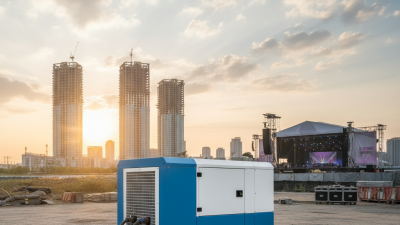
hospitals. A power failure in a medical facility can be life-threatening. Gensets ensure that critical machines and systems remain operational. Events and concerts also rely heavily on generator sets. They provide uninterrupted power for
lighting, sound systems, and other equipment.
While generator sets are incredibly useful, they can be noisy and consume considerable fuel. The design should consider
noise reduction to improve the working environment. Regular maintenance is essential to ensure reliability. Poor maintenance can lead to unexpected failures, causing delays. Thus, while generator sets are beneficial, there’s always room for improvement in their
operation and
management.
Maintenance Tips for Optimal Generator Set Performance
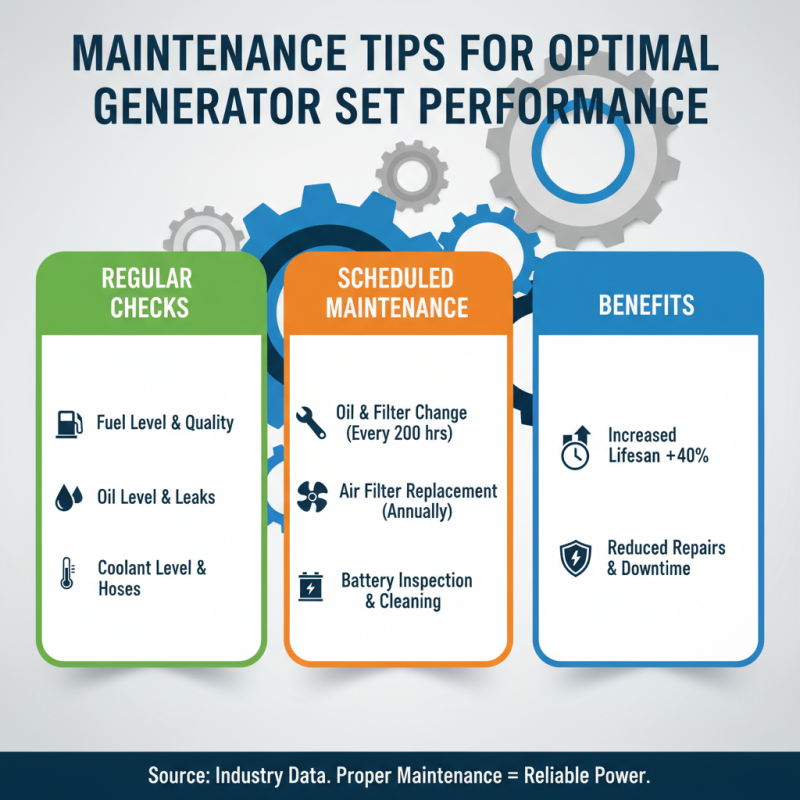
Generator sets are essential for many industries, providing backup power when needed. However, ensuring their performance requires regular maintenance. Data shows that proper maintenance can improve a generator's lifespan by up to 40%. Neglecting maintenance, on the other hand, can lead to costly repairs and operational failures.
One key aspect of maintenance is regular oil changes. This can help prevent engine wear and tear. Make it a point to check the oil level monthly. Also, inspect the fuel system frequently. Clean fuel filters can enhance efficiency. Using high-quality fuel can further reduce the risk of engine issues.
Another vital tip is to run the generator regularly. This prevents issues like carbon buildup. Running a generator under load also helps to keep the engine functional. Consider scheduling a monthly test run. Keep records of these tests. This can provide insight into performance trends and help identify potential problems early.