How to Choose the Best Silent Generator Set for Your Needs?
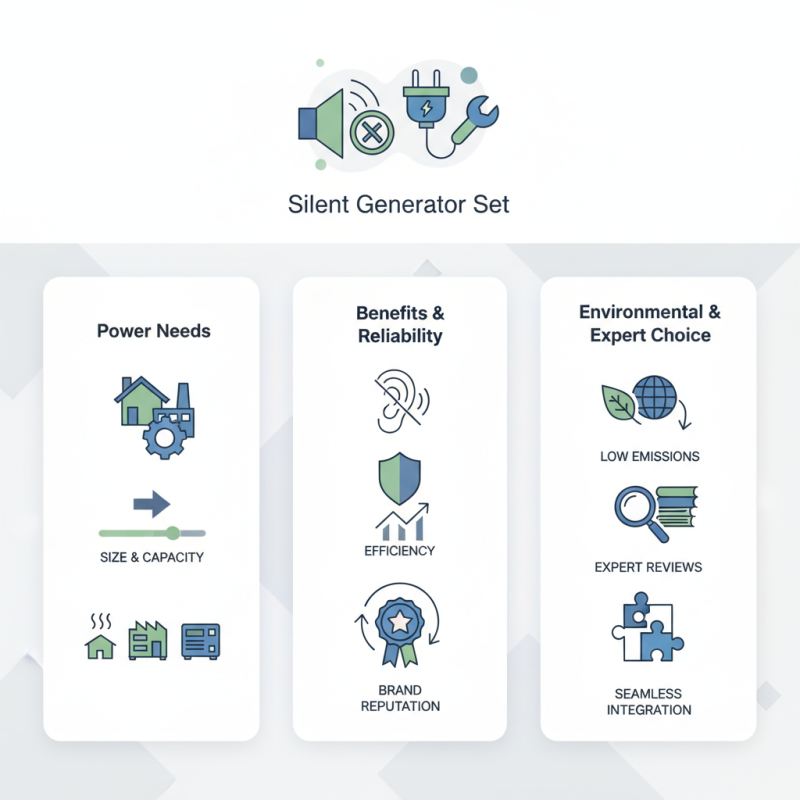
Choosing the right Silent Generator Set can significantly impact your operations. Understanding your power needs is essential. A generator's size and capacity are crucial factors. If the set is too small, it won't meet your demands. If it's too large, you'll waste fuel.
Silent Generator Sets provide many benefits. They operate quietly, making them ideal for residential or business areas. However, not all of them are created equal. Reliability and efficiency are important considerations. Selecting a generator from a reputable brand ensures longevity and performance.
Consider the environmental impacts too. Some generators are designed to minimize emissions. This choice not only benefits the planet but can also align with local regulations. Evaluating options based on expert reviews can enhance your selection process. Remember, the ideal Silent Generator Set should fit seamlessly into your lifestyle or business model while providing dependable power.
Understanding the Importance of a Silent Generator Set
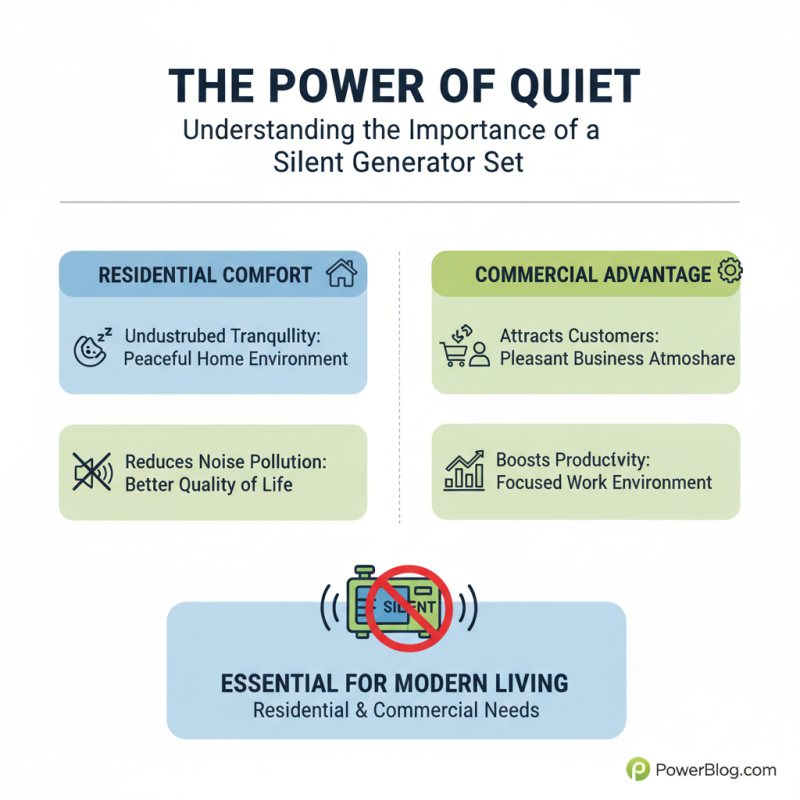
Choosing a silent generator set is essential for both residential and commercial needs. The importance of having a quiet power source cannot be overstated. Noise pollution affects comfort and productivity. For businesses, a disruptive generator can deter customers. At home, noisy generators can disturb the tranquility of daily life.
Silent generators are engineered to minimize sound. They employ advanced technologies to reduce engine noise and vibrations. This feature is especially beneficial for events, camping trips, or emergency power during outages. However, potential buyers must reflect on their specific power requirements and environment. Sometimes, a model that seems perfect can falter in performance during peak demands.
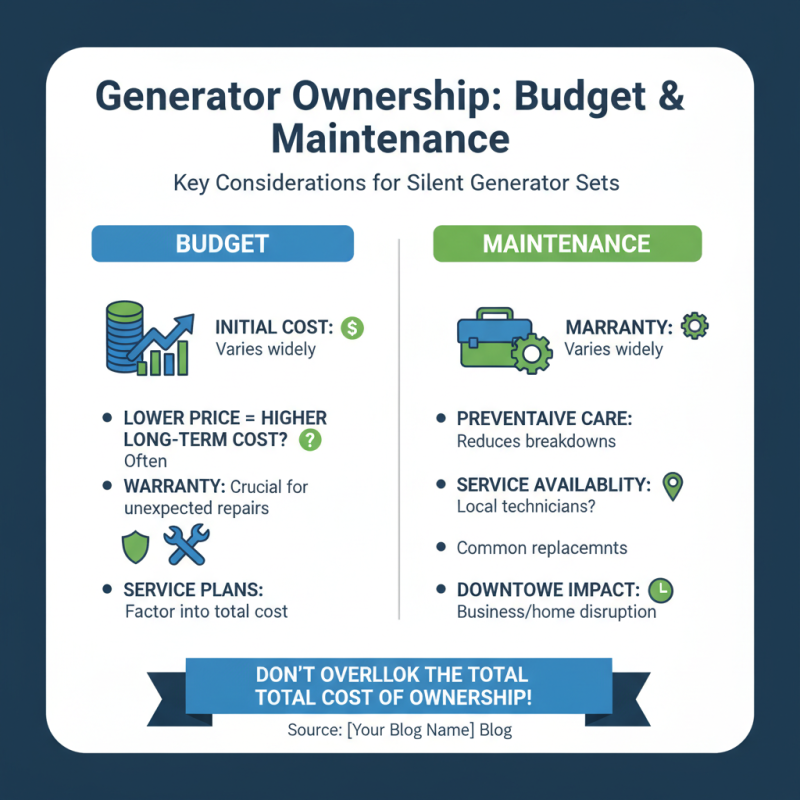
Understanding the importance of sound levels in generator selection is vital. A quieter generator may come at a higher initial cost, but it offers long-term benefits. It’s wise to evaluate not just the sound rating but also durability and efficiency. Balancing these factors can guide you toward a generator that meets your specific needs while maintaining peace in your surroundings.
Identifying Your Power Requirements and Load Capacity
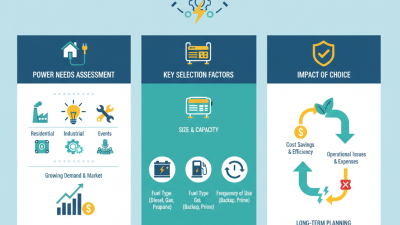
Identifying your power requirements and load capacity is crucial when selecting a silent generator set. Start by assessing the appliances and equipment you plan to power. Make a comprehensive list. Each item has a specific wattage requirement, so it’s essential to calculate the total wattage needed. Consider starting and running wattages. Some appliances need extra power at start-up.
Tips: Use a power meter to measure the wattage of your devices. This tool provides accurate readings.
Next, think about surge capacity. Many devices briefly draw more power when turned on. If your generator lacks sufficient capacity, you might experience issues. It’s better to overestimate your needs than to underestimate.
For a precise evaluation, consider future needs too. Expanding your setup later may require additional load. Make sure your generator can accommodate growth without straining.
Tips: Evaluate your power efficiency. Perhaps some devices can be upgraded or eliminated for better performance. This could simplify your generator needs and reduce costs.
Power Requirements for Silent Generator Sets
Exploring Different Types of Silent Generators
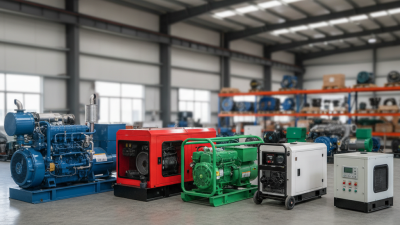
When choosing a silent generator, it’s essential to understand the different types available. Each type has its unique features. Portable models are ideal for events and outdoor activities. They typically range from 1 kW to 5 kW. These generators are easy to transport and set up, offering convenience where power access is limited. According to industry reports, the demand for portable generators has grown by 30% over the past three years.
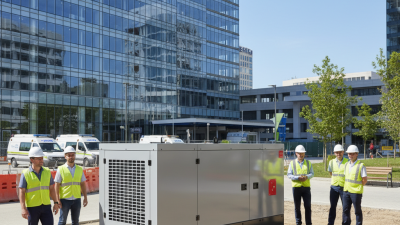
Stationary silent generators provide robust power solutions for homes and businesses. They usually range from 5 kW to 50 kW. These models can handle larger loads and are often more fuel-efficient. They may also support automatic transfer switches, allowing for seamless power switching during outages. Data shows that businesses increasingly prefer stationary units, accounting for a 25% growth in this segment.
Inverter generators are another option worth considering. They produce clean, steady power suitable for sensitive electronics. These units are quieter and more compact, typically ranging from 1 kW to 3 kW. However, their cost can be higher than conventional models. Some users report challenges with maintenance and fuel consistency. Understanding each generator's strengths and limitations can help in making the right choice for your specific needs.
How to Choose the Best Silent Generator Set for Your Needs? - Exploring Different Types of Silent Generators
| Generator Type |
Power Output (kW) |
Noise Level (dB) |
Fuel Type |
Run Time (hours) |
| Portable Silent Generator |
2-3 kW |
50-60 dB |
Gasoline |
8-10 |
| Inverter Silent Generator |
1.5-4 kW |
45-55 dB |
Gasoline |
6-12 |
| Diesel Silent Generator |
5-15 kW |
55-65 dB |
Diesel |
12-20 |
| Stationary Silent Generator |
10-30 kW |
60-70 dB |
Natural Gas/Diesel |
24+ |
Evaluating Noise Levels and Efficiency Standards
When choosing a silent generator set, evaluating noise levels and efficiency is essential.
Noise pollution can impact both personal comfort and local regulations. Many studies indicate that noise levels above 85 dB can lead to hearing impairment over time.
A good silent generator should operate below this threshold. Typically, generators designed for minimal noise operate around 60 to 70 dB.
This range allows for a quieter environment without sacrificing power output.
Efficiency is another key factor. Reports show that modern generator sets can achieve up to 35% efficiency in fuel consumption.
This improvement not only saves on costs but also reduces environmental impact.
However, it's vital to remember that even efficient models can be affected by various factors, such as maintenance and load.
A generator running below its optimal capacity may waste fuel. It’s crucial to evaluate your expected load and choose a model that matches your needs.
Noise and efficiency standards can vary widely. The American National Standards Institute (ANSI) provides classifications for noise emissions from generators.
Understanding these classifications allows for informed purchasing decisions.
Manufacturer specifications should be closely reviewed. Often, there’s a disconnect between advertised performance and real-world results.
User reviews can provide valuable insights into actual noise levels experienced in diverse settings.