Best Generator Set Options for Your Power Needs?
In today's world, a reliable power source is essential. Choosing the right generator set can make all the difference. John Smith, an industry expert with over 20 years of experience, once said, "A generator set should not just meet your needs; it should exceed your expectations." This highlights the importance of carefully assessing power requirements and exploring options.
Generator sets come in various sizes and capacities. Selecting the right one can be challenging. Each application demands specific features. Some may need portability, while others prioritize efficiency. Users often overlook fuel type and noise levels, which can impact usability. Many settle for what seems convenient. This can lead to future frustrations.
The market offers many options. Yet, finding the best fit is not always straightforward. Researching and understanding specifications is crucial. Even small details matter. Mistakes in choosing a generator set can be costly. A thoughtful approach could ensure a wise investment in power solutions.
Understanding Your Power Needs: A Comprehensive Guide
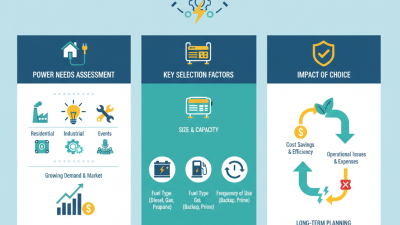
Understanding your power needs is crucial for selecting the right generator set. Start by assessing what appliances and devices you need to power. Consider your home size and energy requirements. Count essential items like refrigerators, lights, and heating units. Each device has a specific wattage that contributes to your total needs.
It’s common to underestimate power consumption. Review your energy bills; they can provide insights. Talk to family members about their daily usage habits. Take note of peak usage times. This reflection can highlight your actual needs. Remember, having a little extra capacity is often better than falling short.
You might also want to think about your long-term needs. Will you be adding appliances? Will your energy requirements change in the future? These are vital questions to ponder. A generator should not only meet your immediate demands but also accommodate potential growth.
Make sure to document everything. This clarity can lead you to more informed decisions when shopping for a generator set.
Types of Generator Sets: An Overview of Options Available
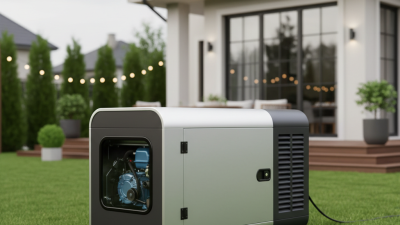
Generator sets come in various types, each designed to meet different power needs. Portable generators are popular for their mobility. These units can easily be moved to different locations. They usually operate on gasoline or propane and provide enough energy for small appliances. However, they may not sustain heavy usage. If you need something for extended power outages or job sites, it's essential to consider their limitations.
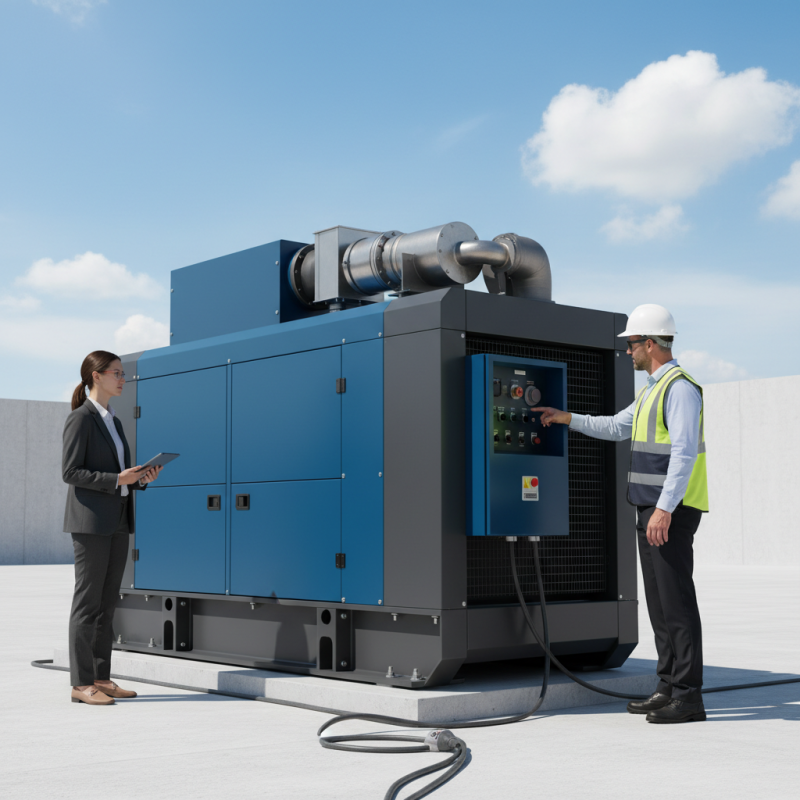
Another option is standby generators. These are installed permanently and automatically turn on during an outage. They often run on natural gas or liquid propane. Their advantage lies in convenience and reliability. Still, they require professional installation and regular maintenance. Users sometimes overlook this, leading to unexpected failures when it matters most.
Lastly, there's the inverter generator. Known for their efficiency, these units produce clean power. They are quieter and perfect for camping or tailgating. However, their output capacity can be lower than conventional generators. This means they aren't ideal for high-demand equipment. Evaluating your specific power needs is key, regardless of the type you choose.
Key Features to Consider When Choosing a Generator Set
When selecting a generator set, several key features stand out.
Power output is crucial. Understand your needs first. According to a recent industry report, most households require between
5,000 to 7,500 watts. This output range typically covers essential appliances and lighting during outages.
However, larger homes or specific needs may require more capability.
Fuel type also plays a significant role. Diesel generators are durable and efficient,
often lasting longer than gas models. Yet, they may also come with higher upfront costs. Conversely, gasoline units are
more affordable but have shorter lifespans. Additionally, portability could matter for some users.
Many prefer lightweight options for easy transport. Yet, these models can sometimes lack power efficiency.
Noise levels are another factor to consider. The noise produced can be bothersome.
Some reports suggest that noise levels over 60 decibels could lead to complaints in residential areas.
Therefore, evaluating your environment is necessary. Lastly, maintenance needs should not be overlooked. Simpler setups may seem appealing initially
but can lead to frustration later. Long-term reliability often requires
regular upkeep and attention to detail.
Evaluating Fuel Types: Diesel, Gas, and Alternative Options
When selecting a generator set, it's crucial to evaluate the fuel types available. Diesel generators are known for their durability. They often provide better efficiency and longer run times. However, they come with a higher initial cost. Maintenance can also be complicated. Not all users can manage diesel's intricacies.
Gas generators, on the other hand, offer a different experience. They are generally quieter and easier to maintain. Fueling is simpler too, which is a plus for many. But they might not support heavy loads as well as diesel models. Understanding your power needs is essential. There can be hidden costs related to gas supply.
Alternative fuel options deserve attention as well. Solar-powered generators have gained popularity. They produce no emissions and operate silently. However, their initial setup can be expensive and complex. Wind energy is another choice, but it depends on location and availability. Users may find themselves weighing the pros and cons of each option. Ultimately, the right choice varies based on individual needs and resources.
Best Generator Set Options for Your Power Needs
This chart compares the efficiency and cost of different fuel types used in generator sets, including Diesel, Gas, and Alternative Options.
Maintenance and Safety Tips for Generator Set Operation
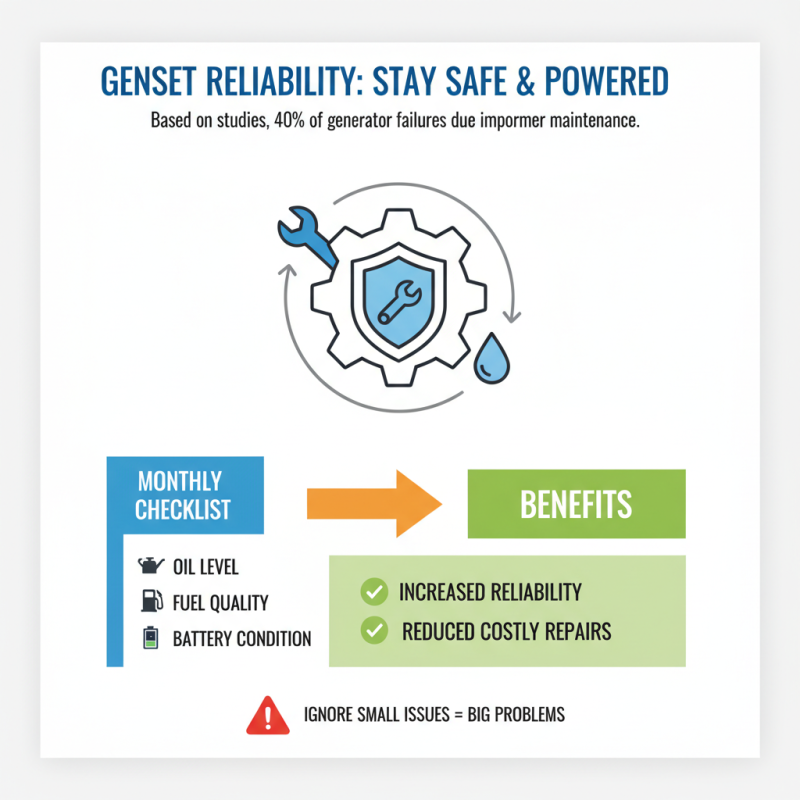
Operating a generator set requires attention to safety and maintenance. Studies show that improper maintenance can lead to failures in 40% of generator sets. Regular check-ups are crucial. You should examine oil levels, fuel quality, and battery conditions each month. These actions significantly increase reliability. Ignoring small issues can lead to larger, costly problems over time.
Safety is paramount when operating generators. Ensure proper ventilation to avoid carbon monoxide buildup. According to the CDC, generator-related carbon monoxide poisoning accounts for numerous accidents each year. Keeping the generator outdoors, away from windows and doors, is essential. You should also invest in carbon monoxide detectors. They can save lives.
Lastly, load management is often overlooked. Running a generator at its optimal capacity can ensure efficiency. Operating it at less than 30% capacity for extended periods can cause issues like wet-stacking. Operators must be mindful of the power needs to avoid such problems. Maintenance and safety go hand in hand in ensuring your generator set operates smoothly.