Top 10 Benefits of Using a Low Noise Generator Set for Your Needs?
In today's world, noise pollution is often overlooked. Many environments demand quiet solutions. A Low Noise Generator Set can be a perfect answer. It offers many advantages that enhance comfort and usability.
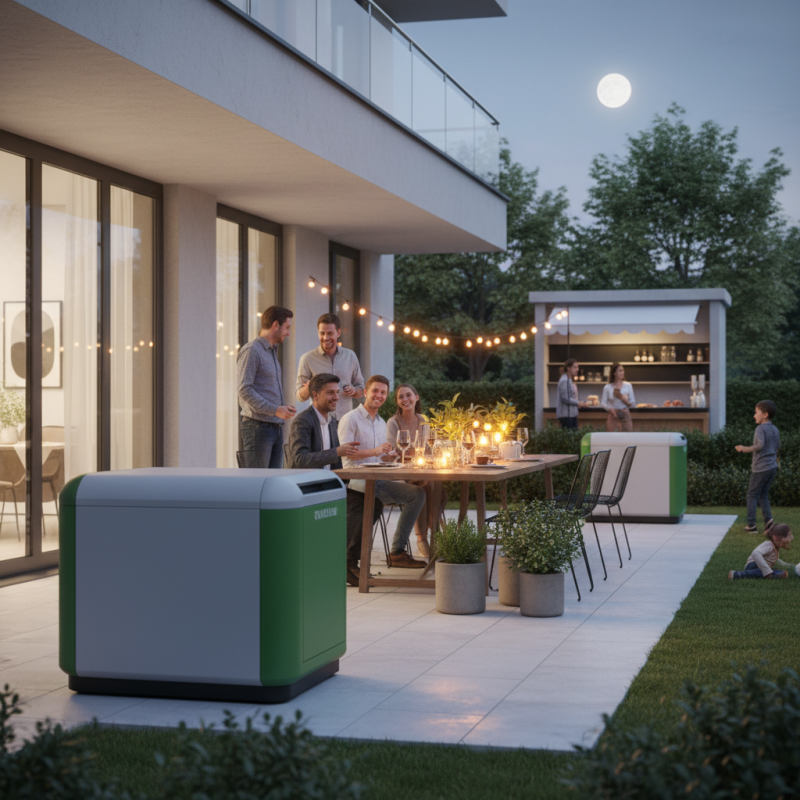
Using a Low Noise Generator Set means fewer disturbances. This is crucial in residential areas or during events. Imagine hosting a gathering without the hum of a generator. The atmosphere remains pleasant and engaging. Additionally, businesses can operate comfortably when using these generators.
Moreover, these generator sets can save energy. They work efficiently, making them a smart investment. However, it's essential to consider the upfront costs. Some might find them pricey initially. Yet, the long-term benefits often outweigh these expenses. Thus, investing in a Low Noise Generator Set can prove beneficial.
Understanding Low Noise Generator Sets and Their Importance
Low noise generator sets have emerged as a critical solution for various applications, particularly in residential and commercial sectors. With noise pollution being a significant issue, these generators operate at sound levels between 50 to 70 decibels. This makes them less disruptive for users and their neighbors. According to industry reports, nearly 65% of complaints about generator usage stem from noise complaints.
The importance of low noise generator sets extends beyond comfort. They play a vital role in emergency situations where quieter operation aids communication and safety. In hospitals or clinics, low noise generators allow for continuous operations without disturbing patients. Additionally, studies show that exposure to high noise levels can lead to stress and hearing loss, making quieter options more appealing.
Even with the clear advantages, one must consider potential trade-offs. Low noise generators may have lower power output compared to traditional sets. Users should evaluate their power needs carefully to avoid underperformance. Balancing noise levels with efficiency can be challenging. Finally, understanding the specifications and requirements of low noise generators is essential. This ensures that you choose an ideal set for your unique situation without compromising on performance.
Top 10 Benefits of Using a Low Noise Generator Set
Key Advantages of Using Low Noise Generator Sets for Various Applications
Low noise generator sets are gaining traction across various sectors. These units can provide essential power without the disruptive sound often associated with generators. In residential areas, laws mandate noise limits. A low noise generator operates around 60 dB, which is about half the loudness of traditional models. Such noise levels allow homeowners to enjoy peace while still having energy sources available during outages.
In the healthcare industry, low noise generators are critical. Hospitals require a calm environment for patient recovery. Loud noises can disturb healing. According to the World Health Organization, excessive noise contributes to stress and health issues. By using low noise generators, facilities can significantly reduce these risks.
Tips: Always check the dB rating when selecting a generator. Noise does not only disturb. It can also impact productivity in workplaces. For outdoor events, consider power needs and quietness. A well-placed low noise generator can elevate the experience for guests.
Choosing the right generator can be challenging. Many models claim to be quiet, but user reviews vary. Not all low noise generators meet expectations. Users should assess real-life performance, not just manufacturer specifications.
Noise Reduction Technologies in Modern Generator Sets
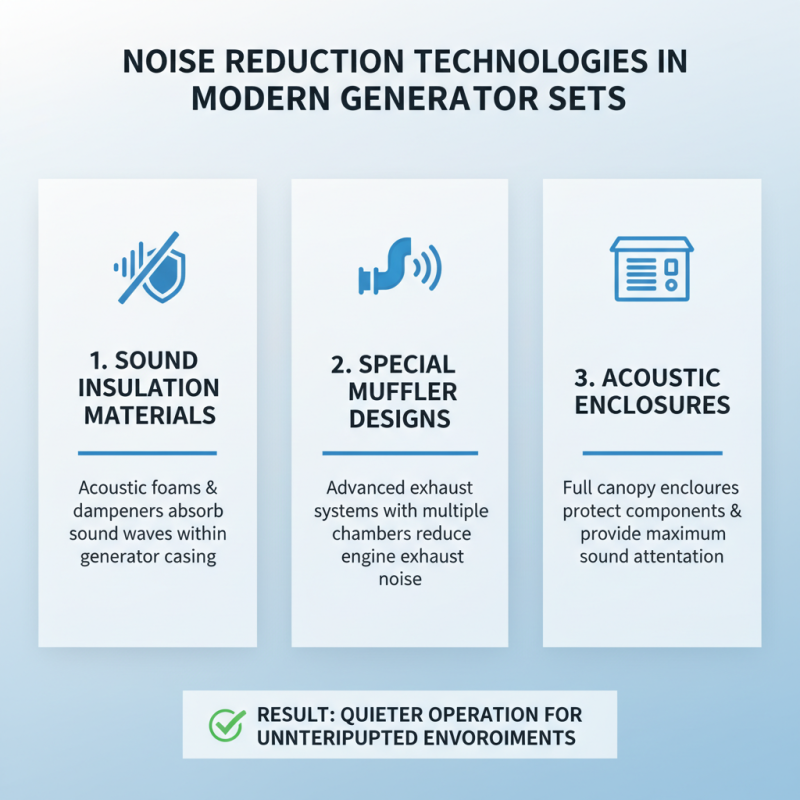
Modern generator sets incorporate advanced noise reduction technologies, making them a preferred choice for many users. These technologies include sound insulation materials and special muffler designs. The silent operation of these units allows users to work or relax without disturbing their environment. Some generators even feature acoustic enclosures that not only cut down noise but also protect internal components.
Another critical aspect is how these solutions enhance user experience. Reduced noise means fewer distractions, improving concentration levels. It opens up the possibility of running a generator in residential areas or during nighttime. However, despite the advancements, some generator sets may still produce more noise than expected. Users should check the noise levels before purchasing.
New technologies are not flawless. Users sometimes overlook the maintenance required to keep noise levels low. Neglecting this can lead to issues, like increased sound output and reduced efficiency. Continuous innovation in generator design will hopefully address these challenges. A balance between power and quiet operation remains crucial for the future of generator sets.
Environmental Benefits of Low Noise Generator Sets
Low noise generator sets offer significant environmental benefits. They operate at reduced sound levels, making them suitable for urban and residential areas. This is especially useful during nighttime when noise can disrupt sleep. Living near quieter generators can improve the quality of life for many families.
These generator sets are often designed with fuel efficiency in mind. They consume less fuel, leading to lower emissions of harmful gases. This helps to keep air quality in check. Improved air quality is essential for health. The connection between cleaner air and respiratory wellness is evident.
However, not all low noise generators are created equal. Some still produce a noticeable hum, which can be bothersome. Consumers must research and choose wisely. Reviews and user experiences can reveal the actual performance of these devices. It's essential to evaluate options based on personal needs. Always remember that noise control is just one aspect of overall sustainability.
Top 10 Benefits of Using a Low Noise Generator Set for Your Needs
| Benefit |
Description |
Environmental Impact |
| Reduced Noise Pollution |
Operates at lower decibels, minimizing disturbance to surrounding areas. |
Less disruption to wildlife and human habitats. |
| Lower Emissions |
Designed to produce fewer CO2 and other harmful emissions. |
Contributes to cleaner air quality. |
| Sustainability |
Utilizes advanced technology for efficiency and longevity. |
Reduces waste and resource consumption. |
| Enhanced Neighbor Relations |
Reduces complaints and enhances community ties. |
Promotes harmonious living conditions. |
| Compliance with Regulations |
Meets local noise and emission standards. |
Supports environmental protection laws. |
| Versatile Applications |
Suitable for various settings like residential, commercial, and events. |
Reduces need for multiple generator types, minimizing resource use. |
| Improved Health Conditions |
Less noise leads to better mental and physical health in communities. |
Promotes well-being through quieter environments. |
| Long-term Cost Savings |
Energy-efficient models result in lower fuel costs. |
Decreased carbon footprint leads to potential government incentives. |
| Remote Monitoring Capabilities |
Allows users to track performance and emissions from a distance. |
Supports proactive management of environmental impact. |
| Modern Aesthetic Design |
Often designed to blend into various environments. |
Maintains the visual integrity of the surrounding area. |
Cost Efficiency and Operational Impact of Low Noise Generators
Using a low noise generator set can significantly enhance cost efficiency for businesses. According to recent industry reports, operational noise reduction can lead to a 20% increase in workforce productivity. Employees frequently distracted by loud generators experience decreased focus. Quiet environments foster better concentration while ensuring a calmer workspace.
The initial investment in low noise generators can be higher, but long-term savings are notable. Studies show that quieter machines have lower fuel consumption and reduced maintenance needs. For instance, low noise options can consume up to 15% less fuel compared to traditional models. Over time, these savings offset the upfront costs and contribute to a healthier bottom line.
Furthermore, many organizations overlook the correlation between noise levels and customer satisfaction. Research indicates that businesses in noisy environments tend to face higher turnover rates. A quieter generator allows a more pleasant customer experience, enhancing loyalty. However, some may argue that quieter models lack power. This perception requires reflection, as advancements often balance noise reduction with efficiency.